telesdeamorim.com
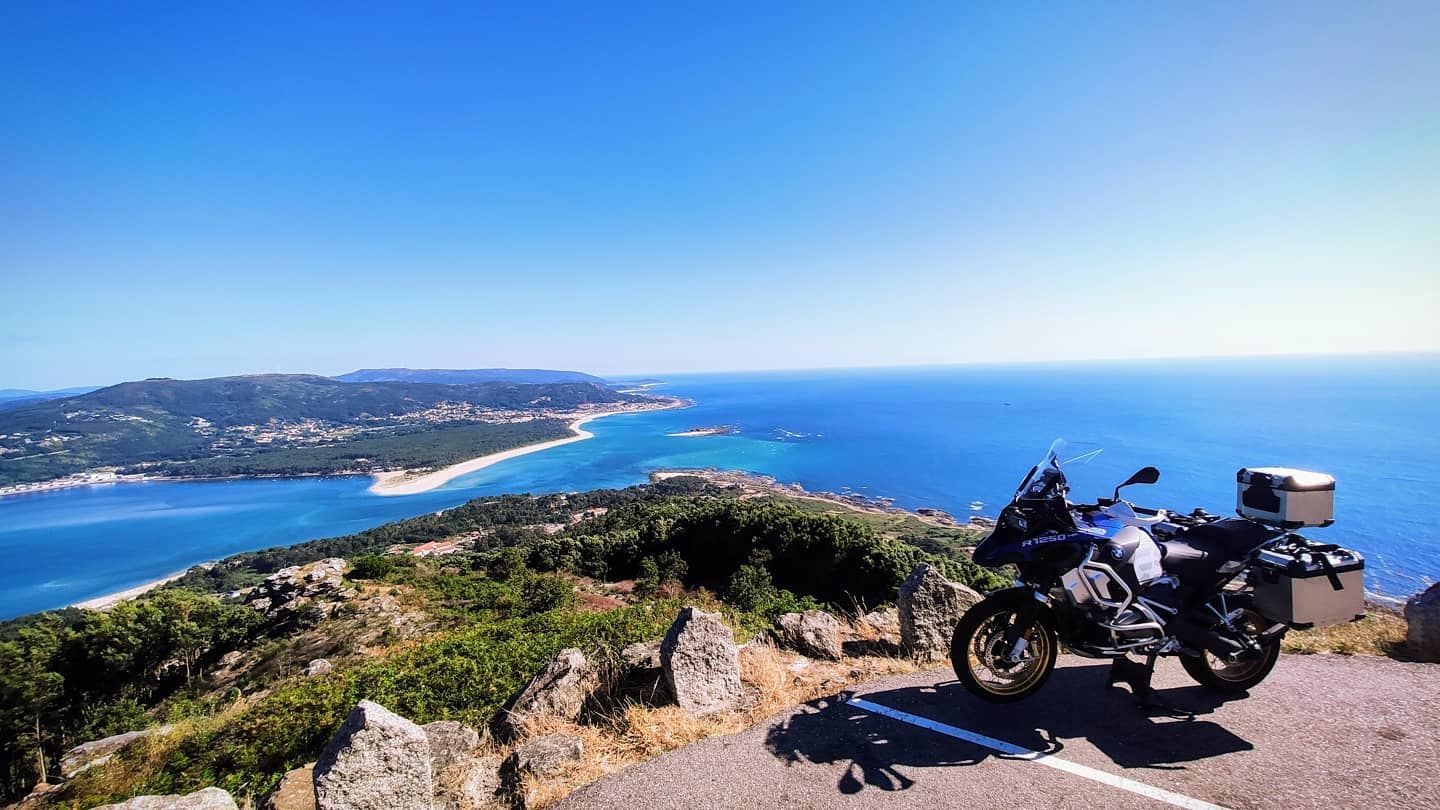
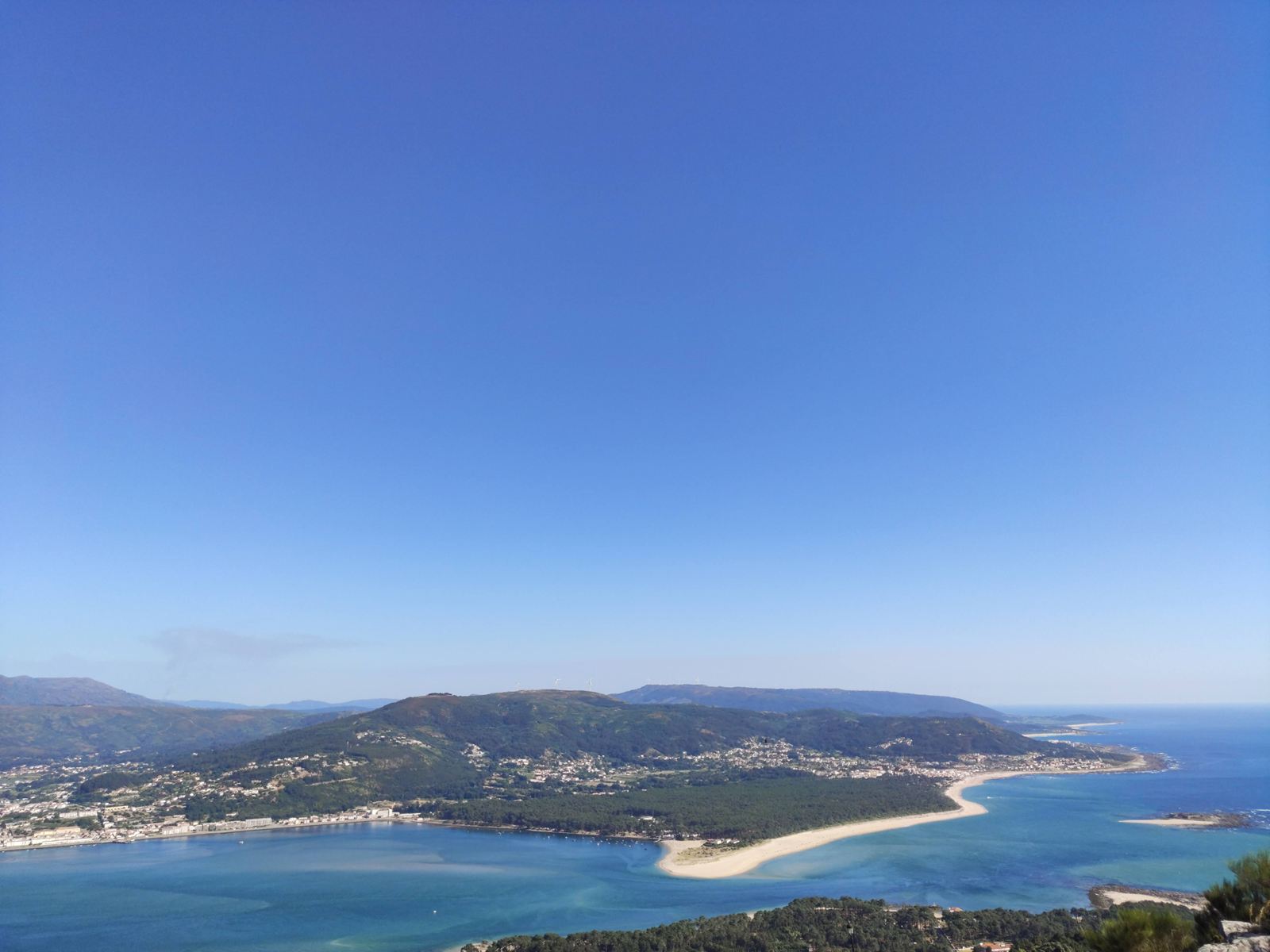
The mouth of the Minho from Monte Santa Trega, with Portugal on the far bank

Galicia and the north of Portugal

Vigo

and the Atlantic north-west, from the Rías Baixas down to Porto

The mouth of the Minho from Monte Santa Trega · Jul 2020

The north-west corner of the Iberian Peninsula has deep sea inlets called rías, granite hills under pine and oak, stone villages, and a coast where the Atlantic is cold and very clear.

Vigo is the obvious base for it. It is Galicia’s largest city and Europe’s biggest fishing port, with the Cíes Islands across the mouth of its bay, Santiago de Compostela an hour to the north and Porto an hour and a half to the south. On both sides of the Minho, Spanish Galicia and Portuguese Minho share a landscape, a climate, a grape and most of a language.

Vigo to Porto by road
1h30
Vigo to Santiago
1h
World Heritage sites within 2h30
7
Vehicles built in Vigo since 1958
17m

Getting your bearings

Three directions from Vigo

Rough driving times from the centre of Vigo.

North: the Rías Baixas

  • Pontevedra30 min
  • Combarro35 min
  • Sanxenxo45 min
  • Cambados50 min
  • O Grove and A Toxa55 min
  • Santiago de Compostela1 h
  • Fisterra2 h

South: the Minho and Portugal

  • Tui and Valença25 min
  • Baiona30 min
  • A Guarda50 min
  • Ponte de Lima50 min
  • Caminha1 h
  • Viana do Castelo1 h
  • Braga1 h 10
  • Guimarães1 h 20
  • Porto1 h 30

Inland

  • Ourense1 h
  • Peneda-Gerês1 h 30
  • Ribeira Sacra1 h 45
  • Lugo2 h
  • Chaves2 h
  • The Douro at Peso da Régua2 h 15

A short history

One country, then two

For most of its history the land between the Douro and the Bay of Biscay was a single place, Roman Gallaecia and then the kingdom of Galicia. The border on the Minho is younger than the language spoken on both banks.

  1. Bronze Age

    Rock carvings

    Spirals, deer and cup marks cut into the granite. The open-air park at Campo Lameiro, near Pontevedra, is built around them.

  2. Iron Age

    The castros

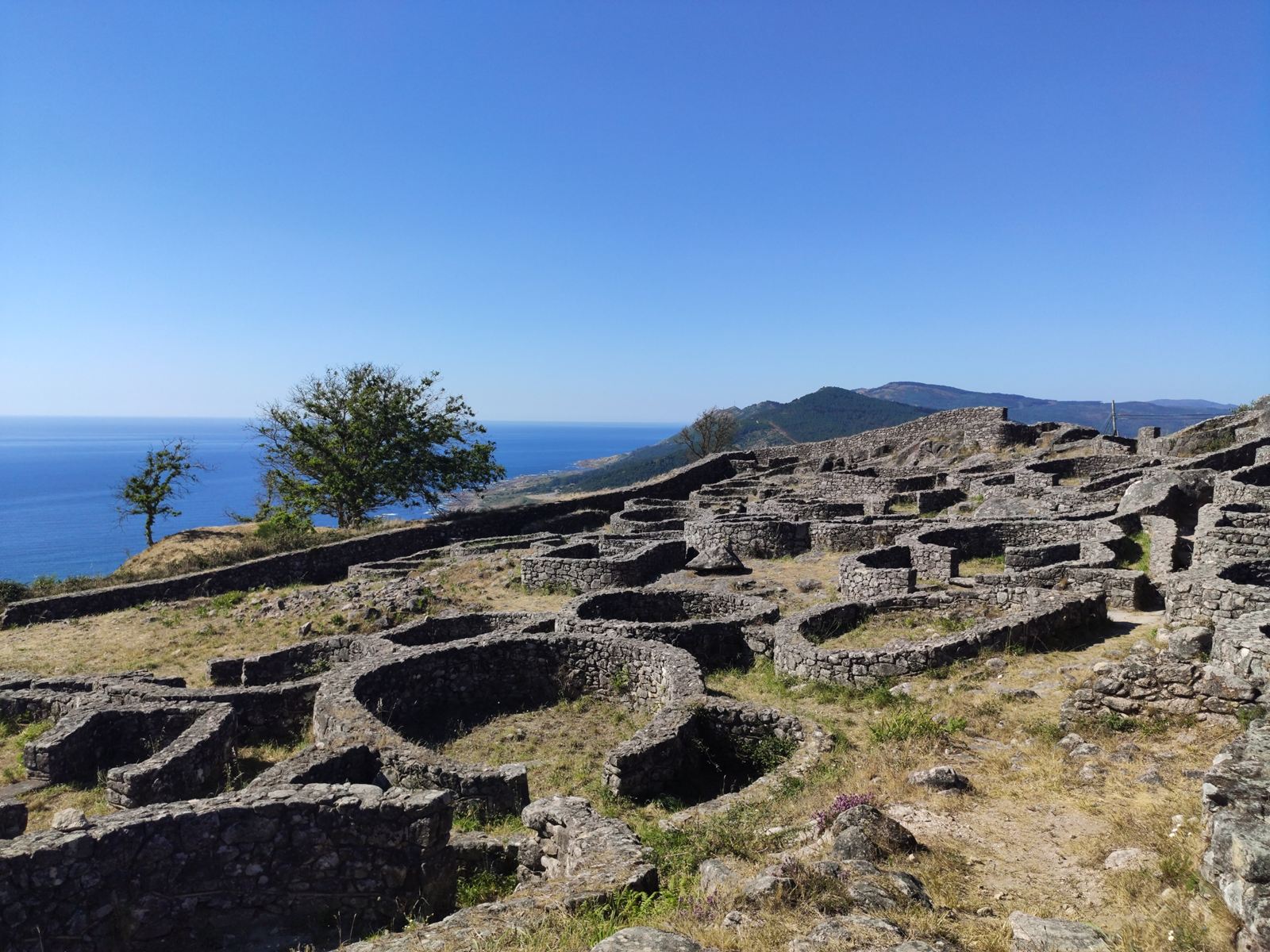
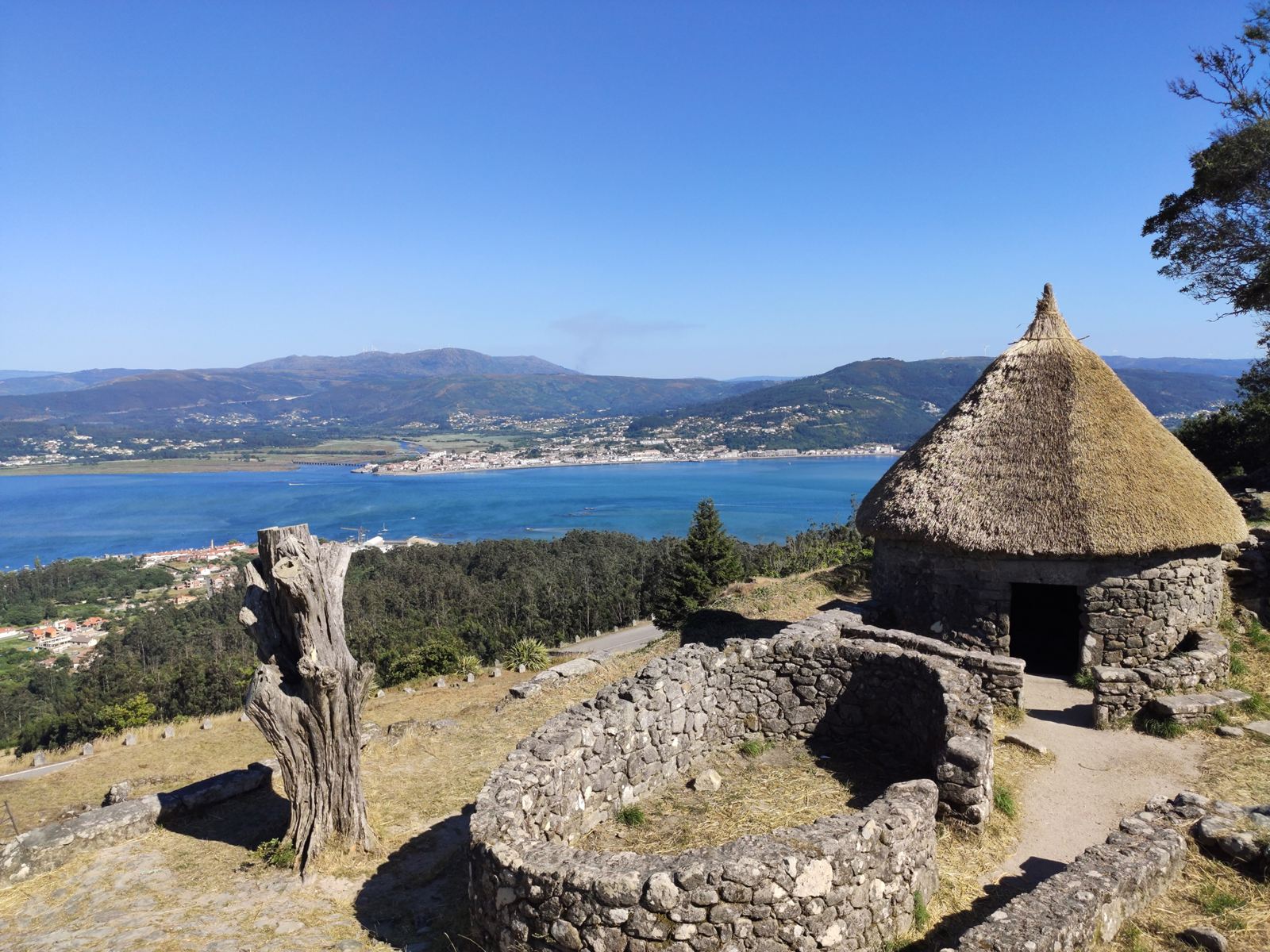
    Hilltop villages of round stone houses. Santa Trega above A Guarda is one of the largest; Citânia de Briteiros near Guimarães is its Portuguese counterpart. Locals call this their Celtic past, though historians argue about the label.

  3. 2nd century BC

    The river of forgetting

    When the Roman general Decimus Junius Brutus reached the Lima, his soldiers took it for the Lethe, the river that wipes the memory, and refused to cross. He crossed alone and called each of them by name from the far bank. Ponte de Lima still tells the story.

  4. 1st–4th century

    Gallaecia

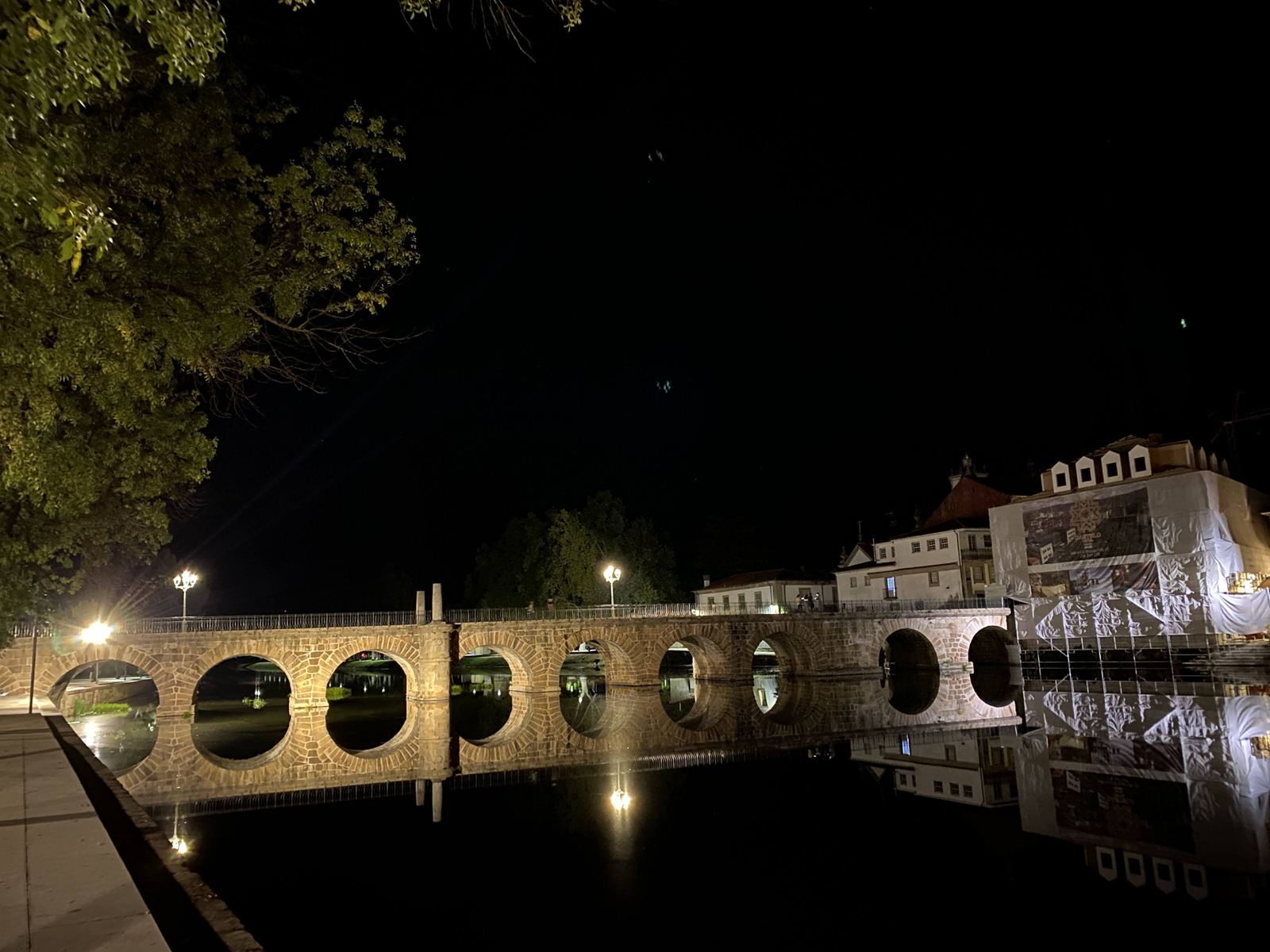
    Rome’s province covered Galicia and northern Portugal, with its capital at Bracara Augusta, today’s Braga. The Roman walls of Lugo still run complete for two kilometres round the old town, and Trajan’s bridge at Chaves still crosses the Tâmega.

  5. 409–585

    A Germanic kingdom

    The Suebi founded one of the first kingdoms in the former Roman West here, ruled from Braga, until the Visigoths absorbed it.

  6. 9th century

    The tomb of St James

    A tomb found in a Galician field was declared that of the apostle James, and Santiago de Compostela grew around it. The Portuguese Way, from Porto through Tui and Pontevedra, is now the second most walked route to Santiago after the French one.

  7. 1128–1143

    Portugal breaks away

    At São Mamede, outside Guimarães, Afonso Henriques took control of the County of Portugal, and by 1143 it was a kingdom. Until then both banks spoke one language, Galician-Portuguese, the language of the troubadours’ cantigas. The two drifted apart slowly; a Galician and a Portuguese still understand each other.

  8. 1493

    The news from America

    On 1 March 1493 the Pinta sailed into Baiona, the first of Columbus’s ships back from the voyage, with the first news of the new lands. A replica is moored in the harbour, and the town re-enacts the arrival every March.

  9. 1702

    The Battle of Rande

    An Anglo-Dutch fleet broke through the boom across the narrows of Rande and destroyed the Spanish silver fleet sheltering in the bay. Most of the silver had already been taken ashore, but the legend of sunken treasure stuck: Jules Verne sends Captain Nemo to collect it in Twenty Thousand Leagues Under the Seas.

  10. 1756

    The first wine region

    The Marquis of Pombal drew the boundaries of the Douro port wine region, one of the first demarcated wine regions in the world.

  11. 1809

    The Reconquista

    On 28 March 1809 the people of Vigo forced the French garrison to surrender, the first town in Galicia to throw out Napoleon’s army. The city marks the day every year.

  12. 1886

    The international bridge

    An iron road and rail bridge opened over the Minho between Tui and Valença. Local legend credits it to Eiffel; it is not his work.

  13. 1958

    Citroën comes to Vigo

    Citroën opened a factory in Vigo, at first building versions of the 2CV. The Balaídos plant, now Stellantis, passed 17 million vehicles in 2026.

  14. 2002

    A national park at sea

    The Cíes, Ons, Sálvora and Cortegada islands became the Atlantic Islands of Galicia National Park. In 2007 The Guardian named Rodas, the beach joining two of the Cíes, the best beach in the world.

World Heritage within reach

  • The old town of Santiago de Compostela 1985
  • The historic centre of Porto 1996
  • The Roman walls of Lugo 2000
  • The Alto Douro wine region 2001
  • The historic centre of Guimarães 2001
  • The Tower of Hercules, A Coruña 2009
  • Bom Jesus do Monte, Braga 2019

Places

From the Rías Baixas to Porto

Vigo and its bay

Vigo

A working port city first: shipyards, the fish market and the car plant. The old town, the Casco Vello, climbs from the harbour; near the bottom, the oyster sellers open oysters in front of you to eat standing up with a glass of Albariño. The park on Monte do Castro, the hill in the middle of town, has the best view of the bay and the islands, and Samil is the long city beach facing them.
The Cíes Islands

Three granite islands across the mouth of the ría, with no cars, a walk up to the lighthouse and Rodas, the sand bar joining two of them. Boats run from Vigo, Cangas and Baiona. In summer and at Easter visitors need a free permit from the Xunta and numbers are capped at 1,800 a day, so book early.

Baiona

A small harbour town at the southern end of the bay. The Monterreal fortress on the headland is now a parador, with a path round its walls, and the replica of the Pinta is moored below.

Rande and San Simón

The Rande bridge crosses the narrows where the 1702 battle was fought. Just inside, the island of San Simón has been a monastery, a quarantine station and a prison, and is now a protected site with boat visits.

North of Vigo: the Rías Baixas

Pontevedra

A compact granite old town with almost no cars: the city closed its centre to traffic in the late 1990s and is often held up as the model for doing it.

Combarro

A fishing village where the stone granaries, the hórreos, stand in a row on the shore.

Cambados and the Salnés

The home of Albariño, with wineries open for visits. The Festa do Albariño takes over the town in the days before the first Sunday of August.

O Grove and A Toxa

Seafood, the mussel rafts in the ría, and the Festa do Marisco every October.

Santiago de Compostela

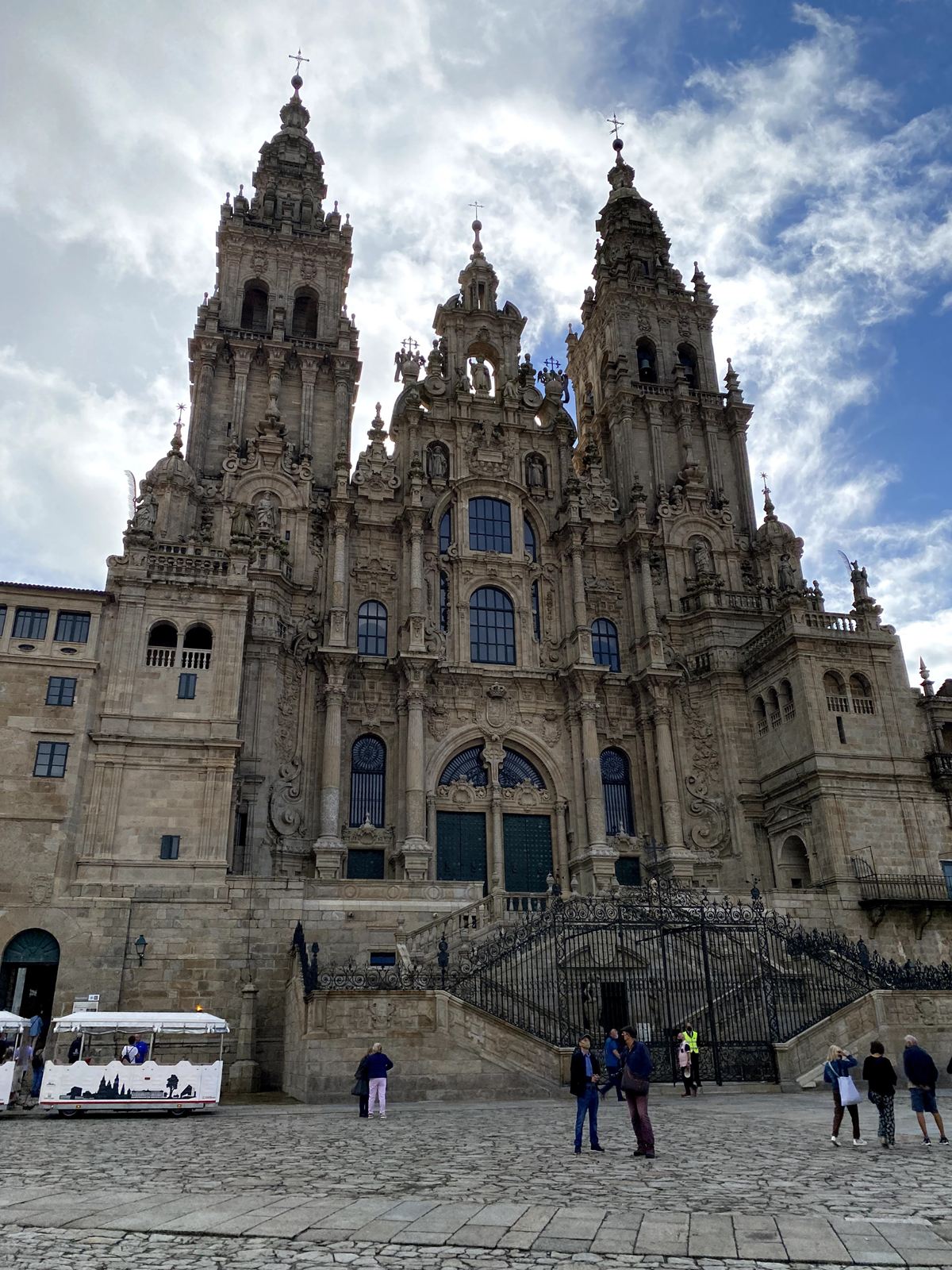
The end of the Camino and Galicia’s capital, an hour up the motorway or less by train. The cathedral’s west front takes up one whole side of the Praza do Obradoiro, where the walkers arrive.

The Minho

A Guarda and Monte Santa Trega

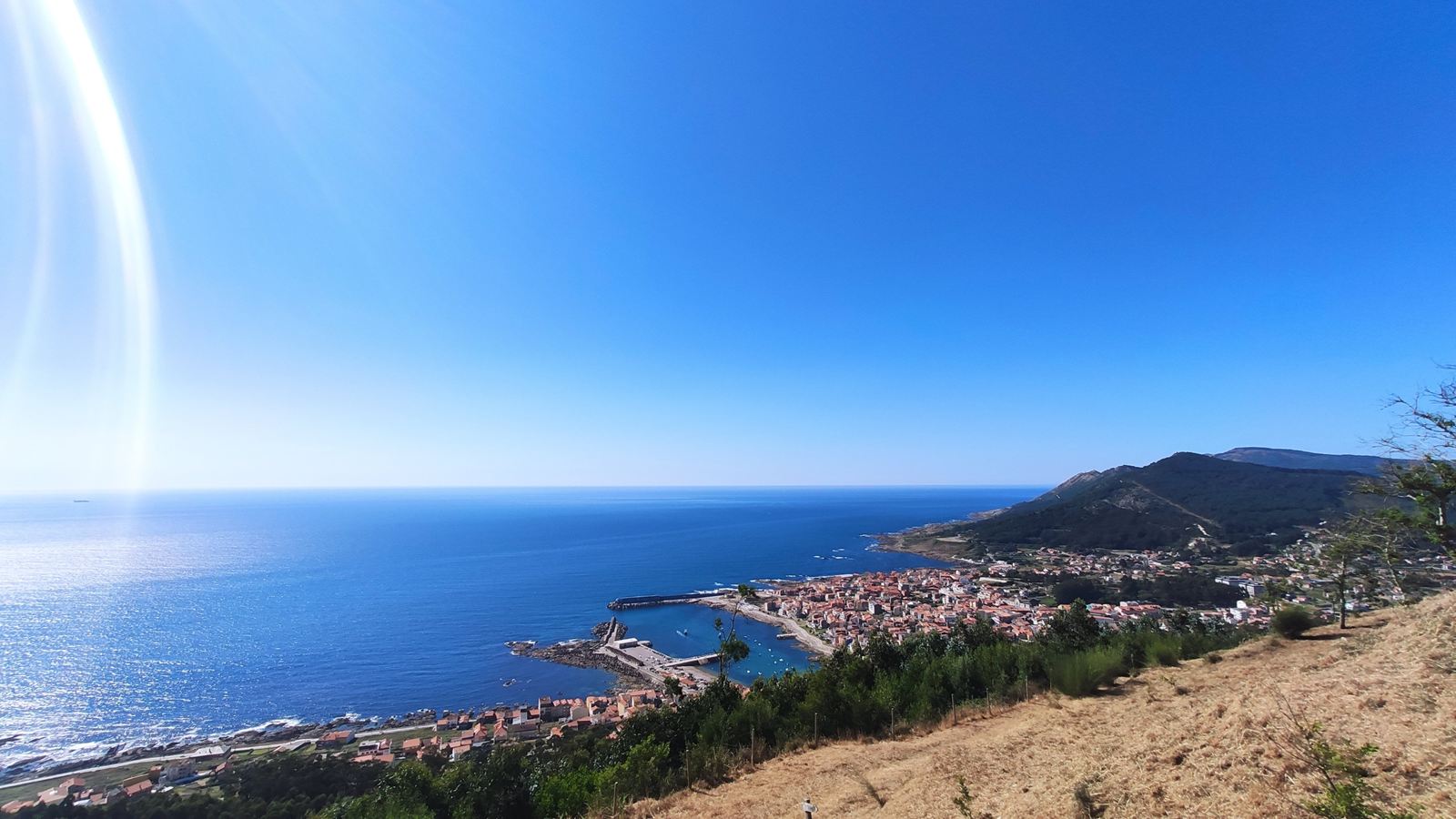
The last Spanish town before the river meets the sea. A road climbs Monte Santa Trega past the excavated castro and a rebuilt round house to a view of the Minho, Portugal and the Atlantic at once. A Guarda itself is a fishing port known for its lobster.

Tui and Valença

Two fortified towns facing each other across the river. Tui’s cathedral looks like a castle; Valença’s walls enclose a whole town of linen shops. The 1886 bridge links them, and since 2012 they have called themselves one Eurocity. The clocks change by an hour halfway across.

Monção and Melgaço

Upriver, the Portuguese bank grows Alvarinho, the same grape as Albariño, and the two banks argue about whose is better.

Caminha

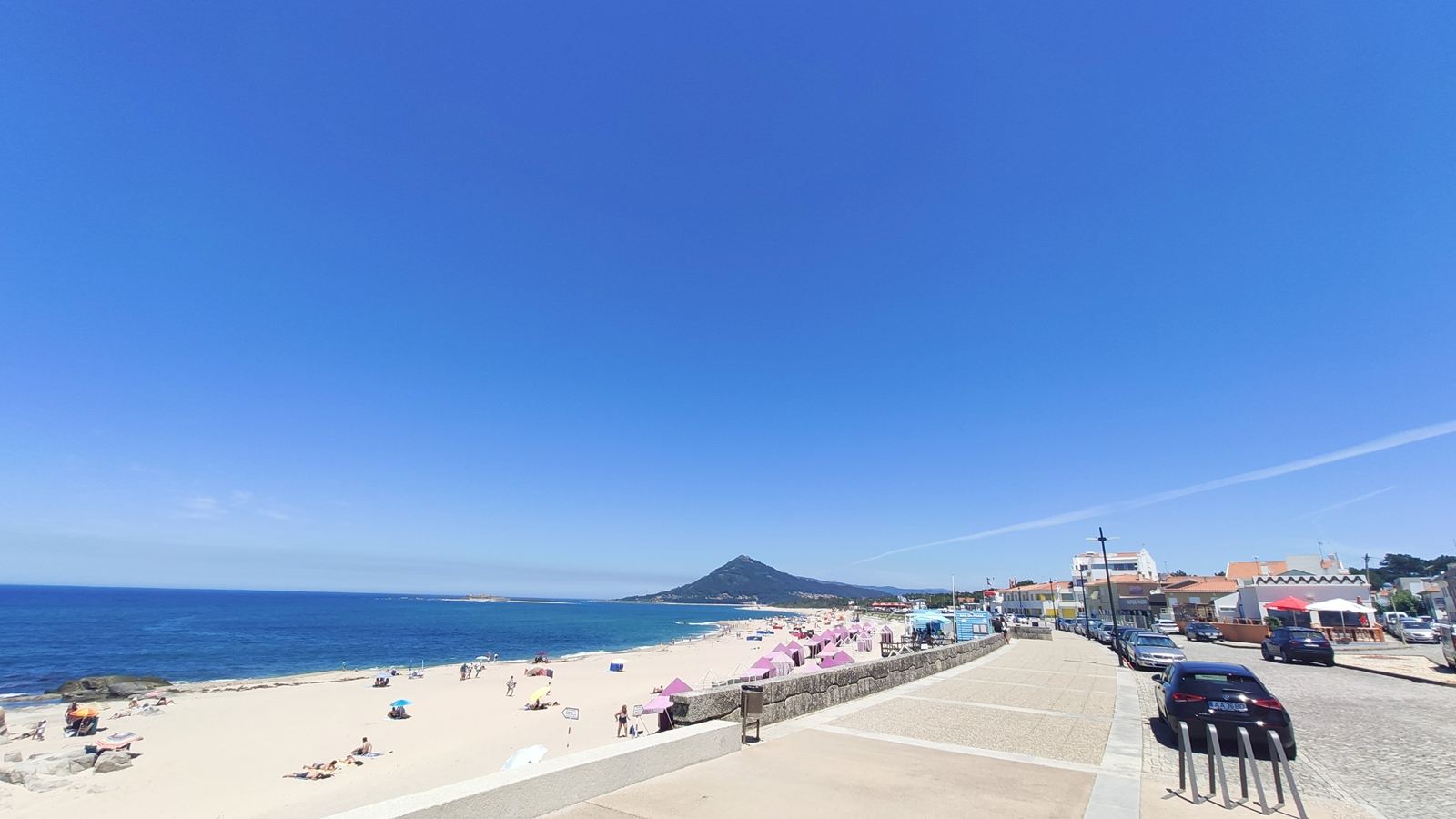
The Portuguese side of the river mouth, a small town with a fine main square, and the beaches of Moledo and Vila Praia de Âncora just to the south.

The Minho coast and the Lima

Viana do Castelo

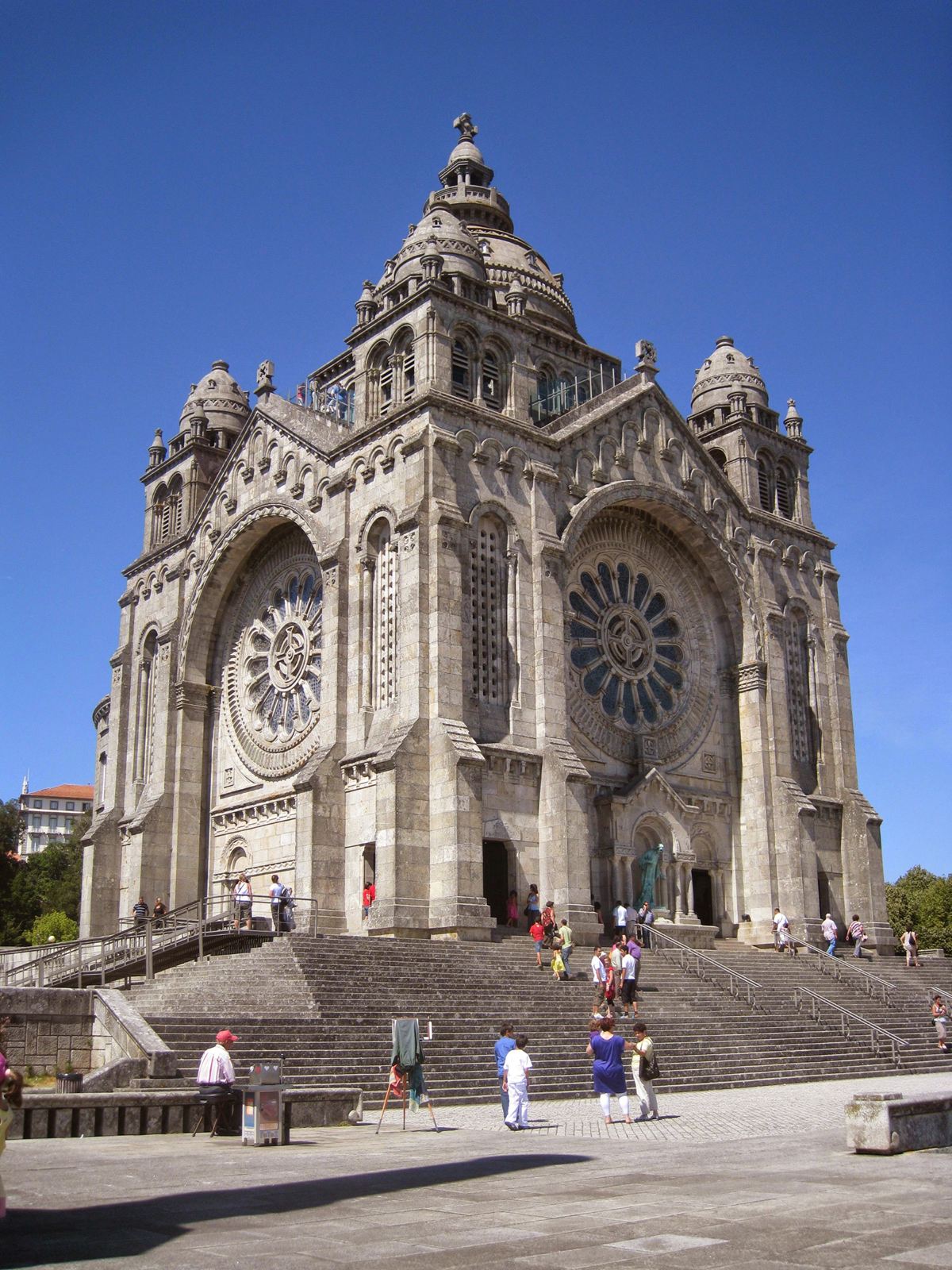
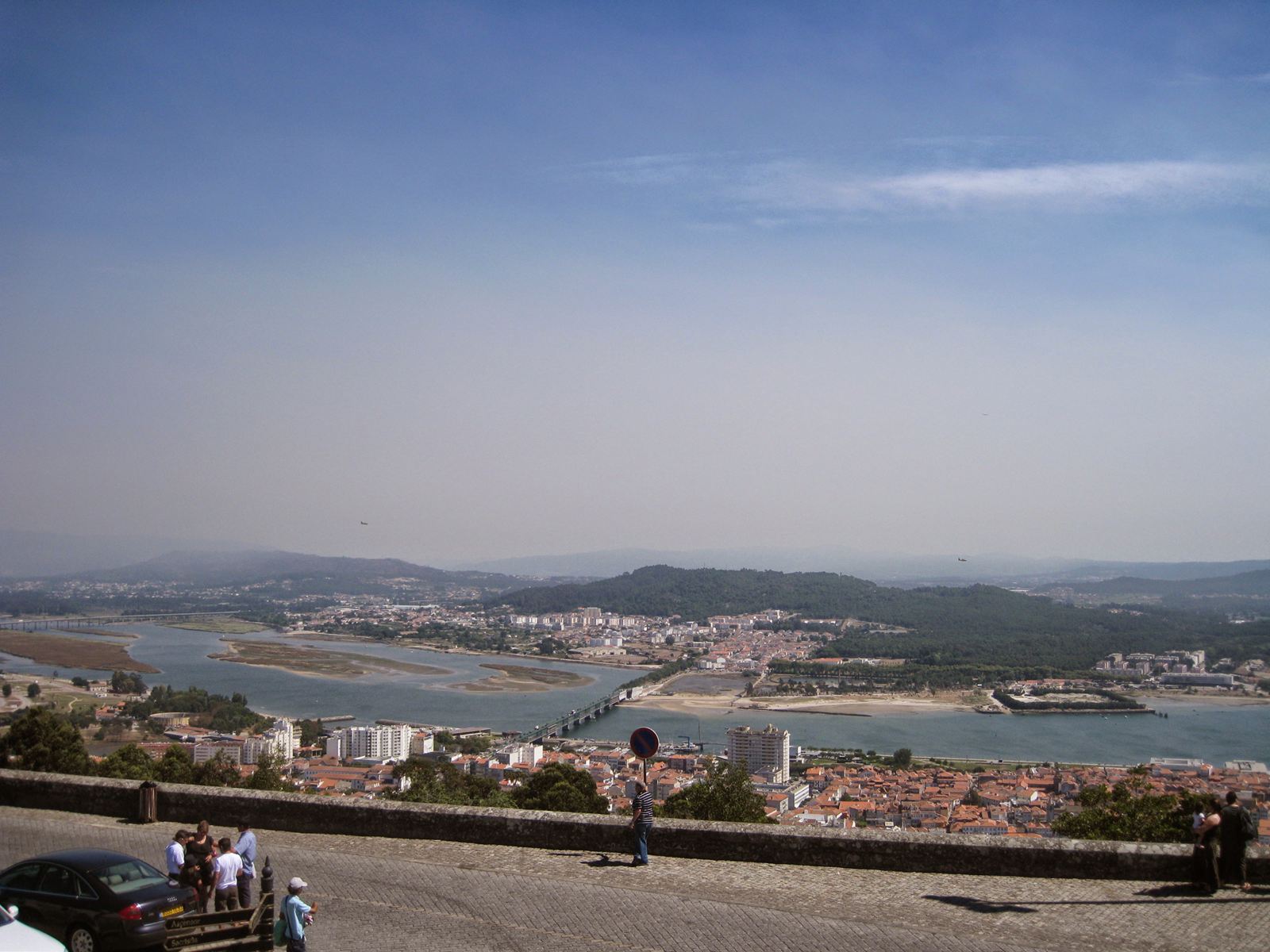
The basilica of Santa Luzia sits on the hill above the town, reached by a funicular, and looks over the Lima estuary. In August, during the Romaria d’Agonia, women parade in traditional dress and gold filigree.

Ponte de Lima

Often called Portugal’s oldest town, with a charter from 1125, a long medieval bridge on Roman foundations and a riverside market every other Monday.

Braga

Roman Bracara Augusta and the seat of Portugal’s archbishops. Bom Jesus do Monte, on the hill outside town, has a zigzag Baroque staircase and a water-powered funicular from 1882.

Peneda-Gerês

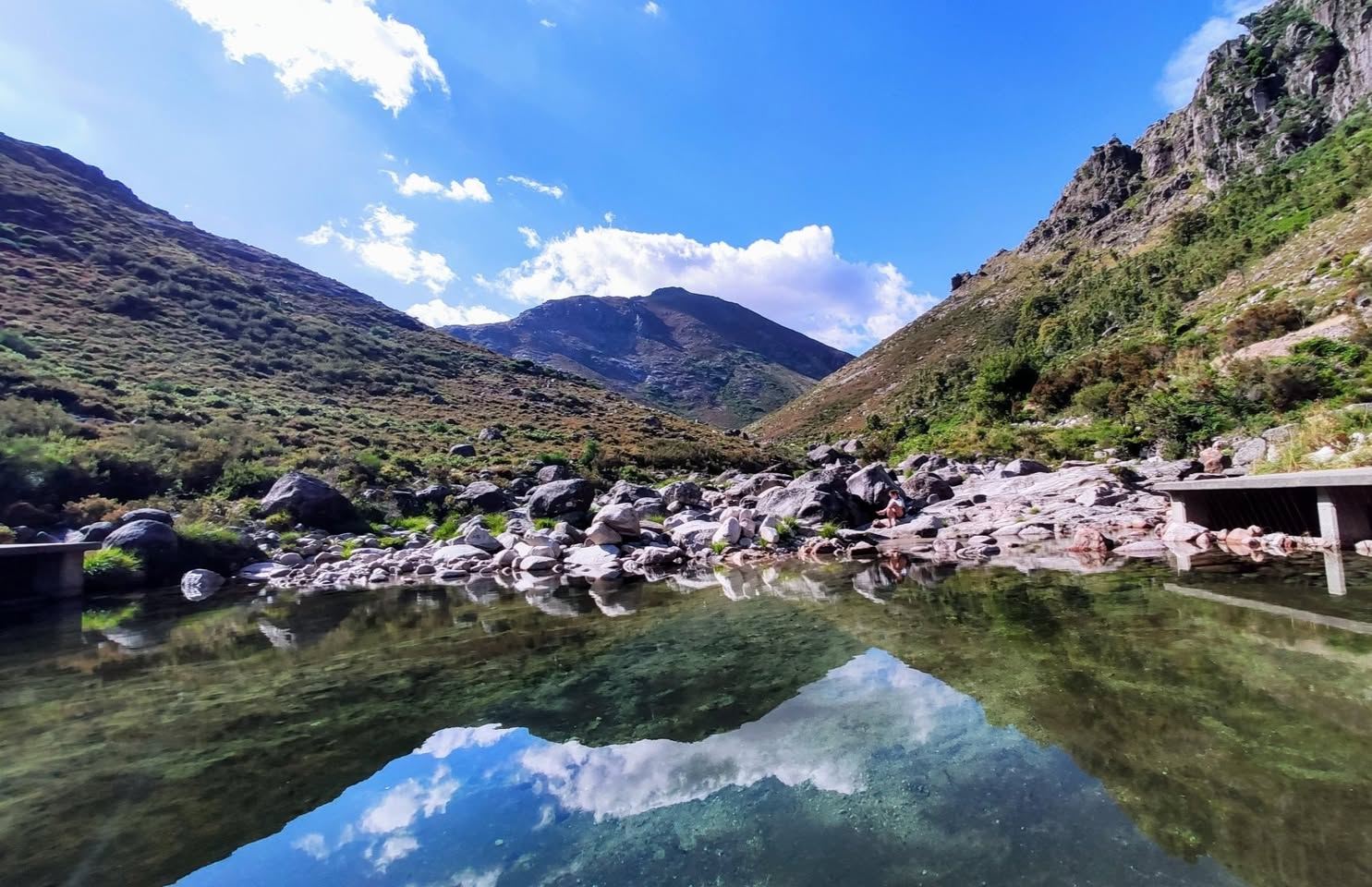
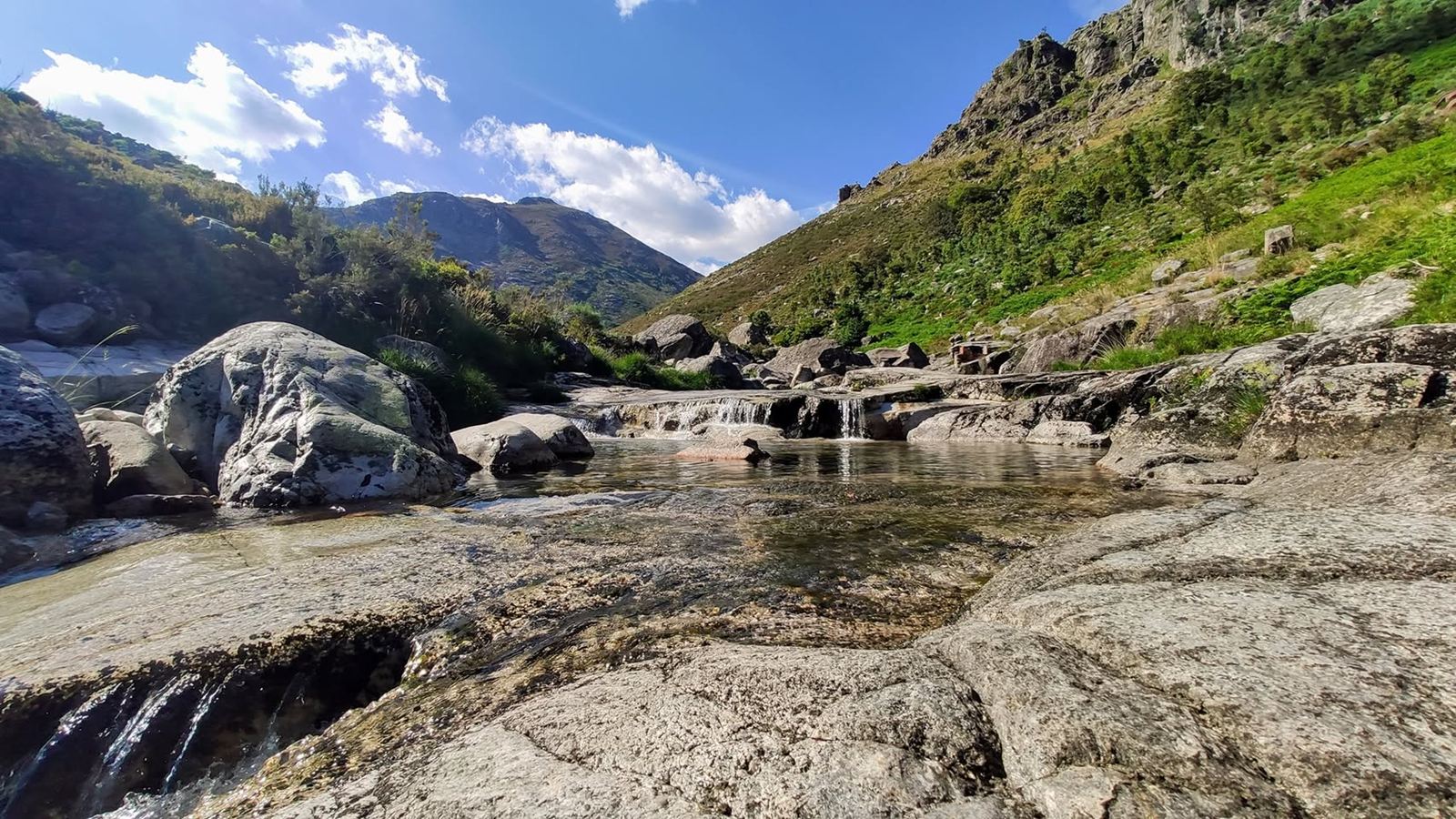
Portugal’s only national park: granite mountains, oak woods, Roman milestones along the old road through the hills, wild ponies, and river pools to swim in from June.

Guimarães

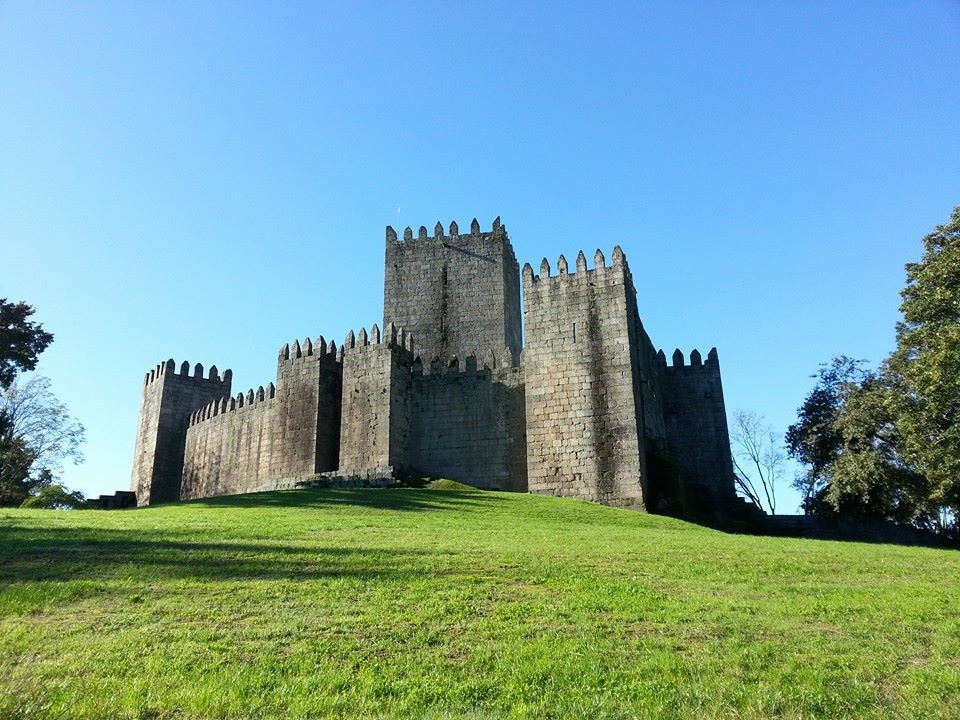
Where Portugal began, and the words Aqui nasceu Portugal are written on the old town wall. The castle, the palace of the Dukes of Braganza and a medieval centre on the World Heritage list.

Porto and the Douro

Porto

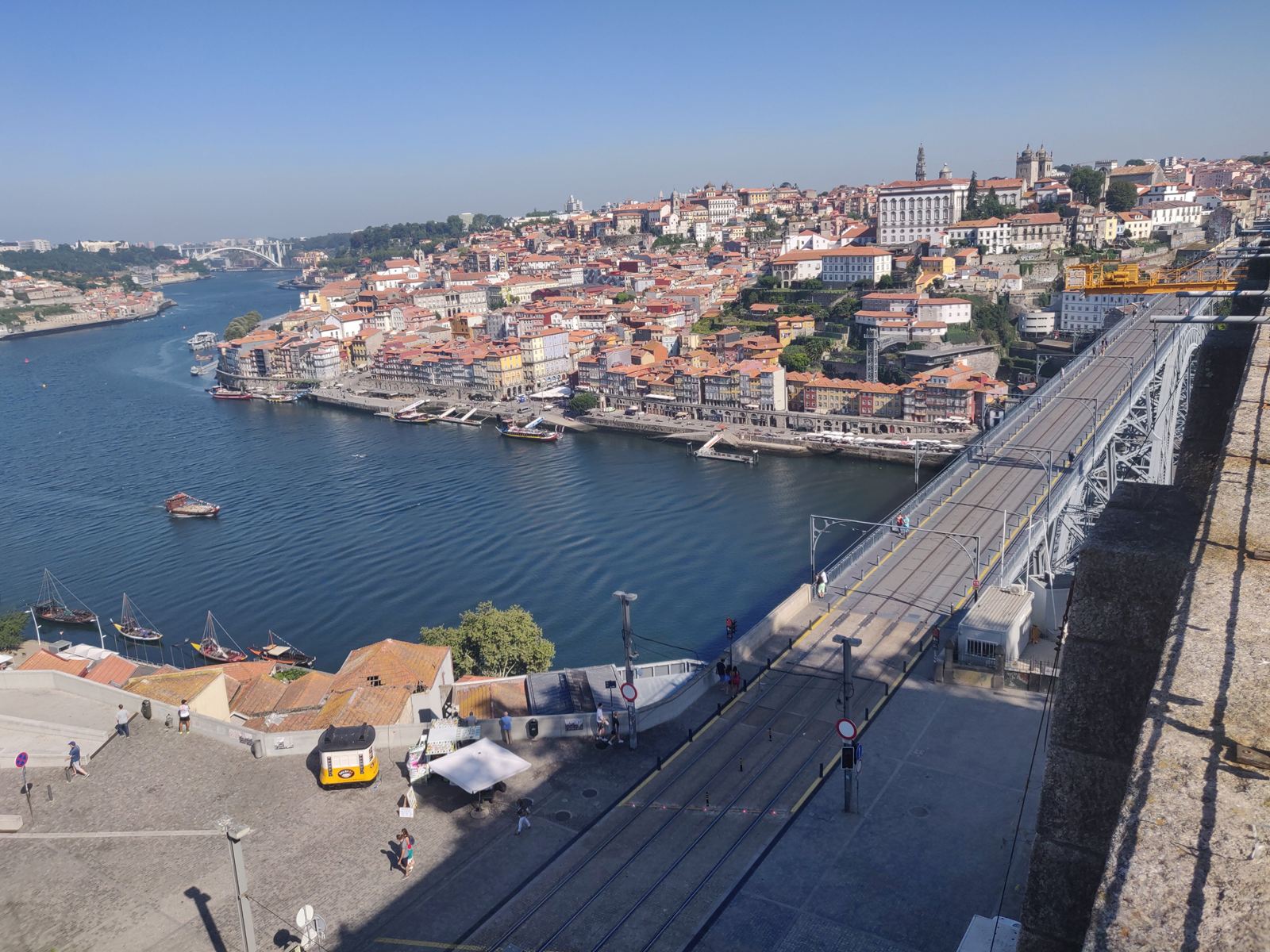
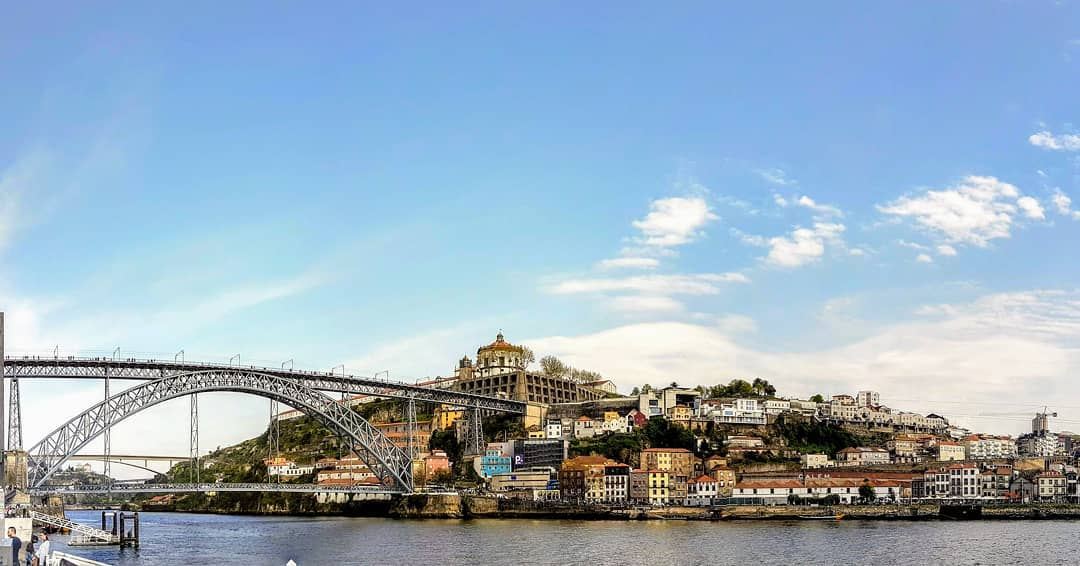
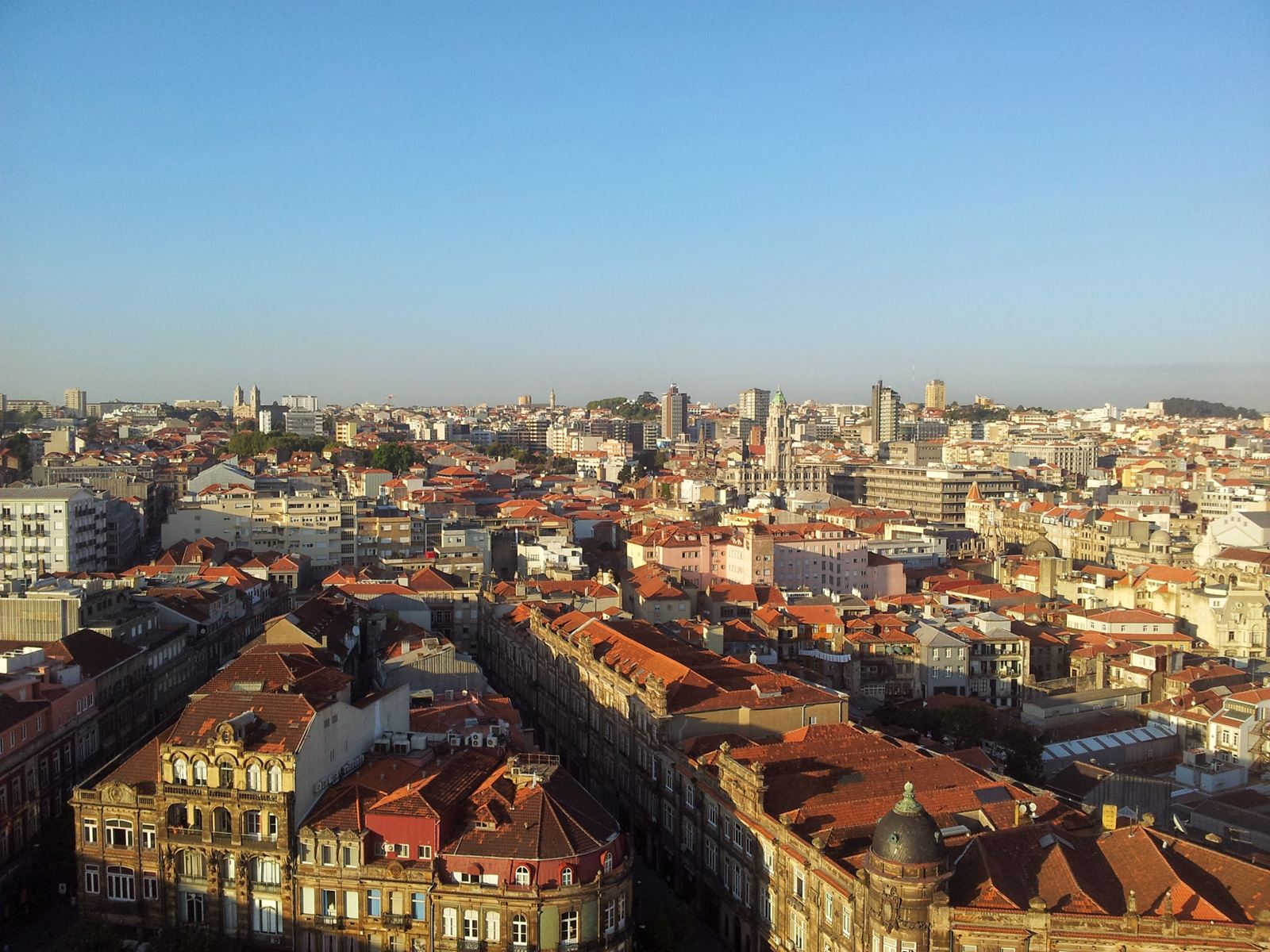
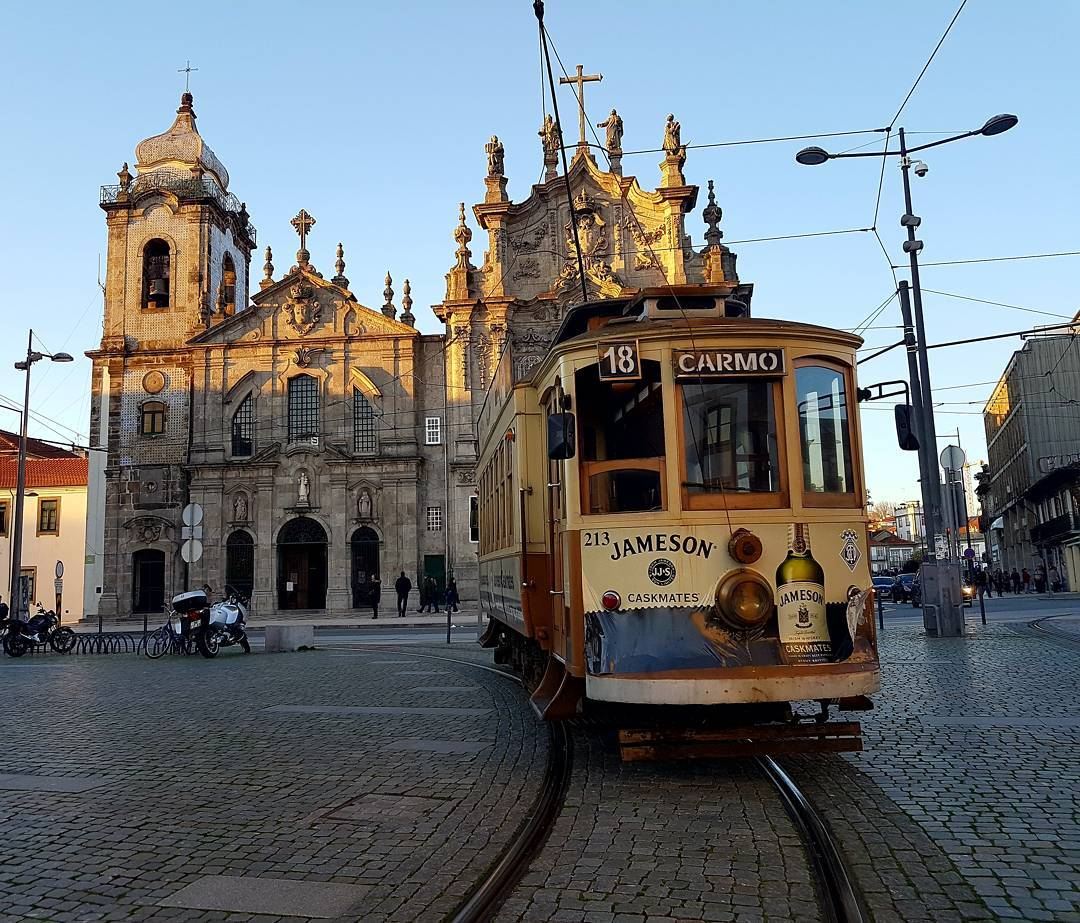
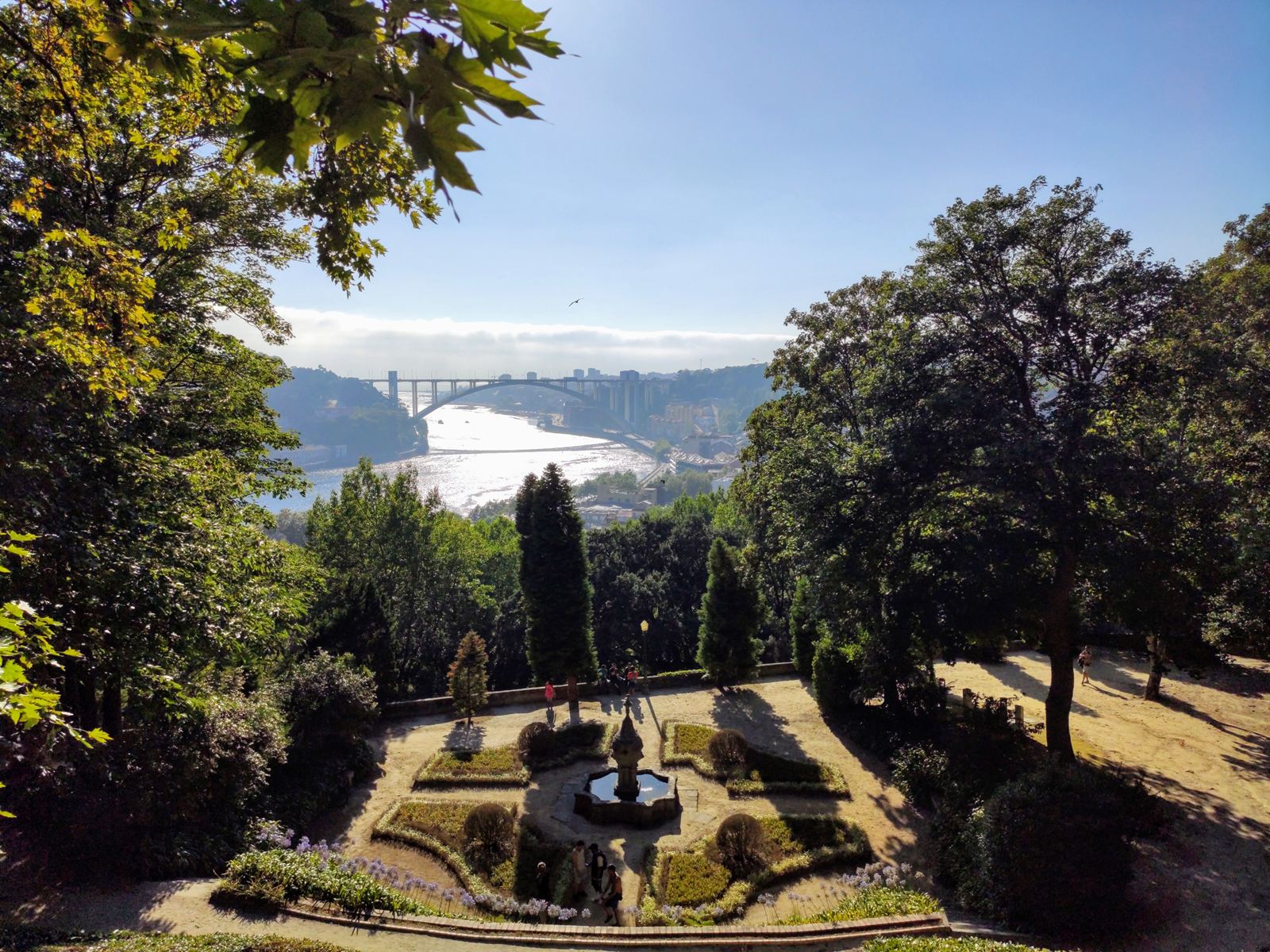
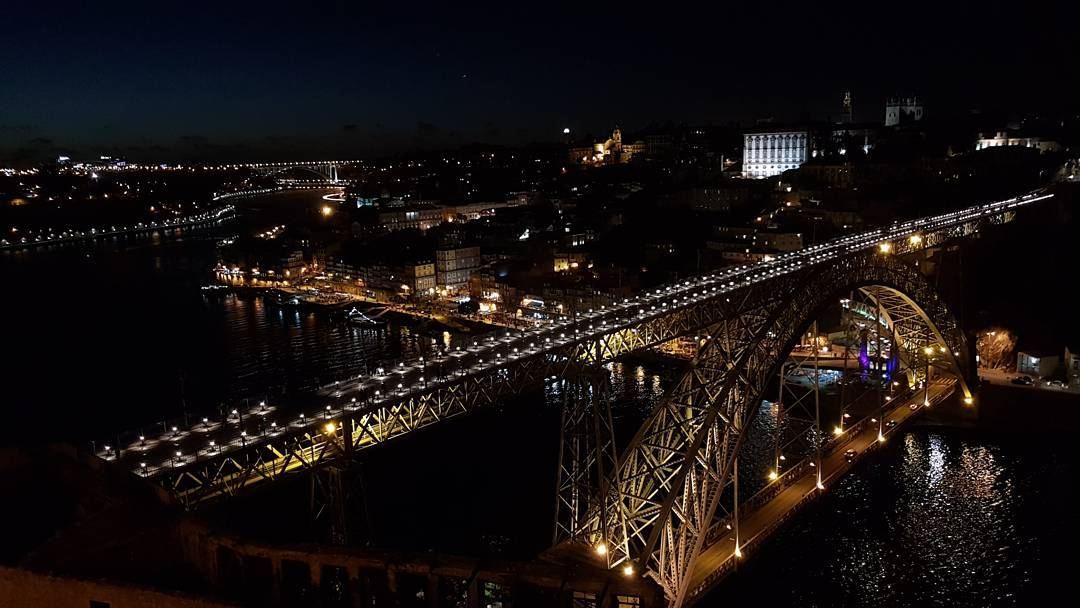
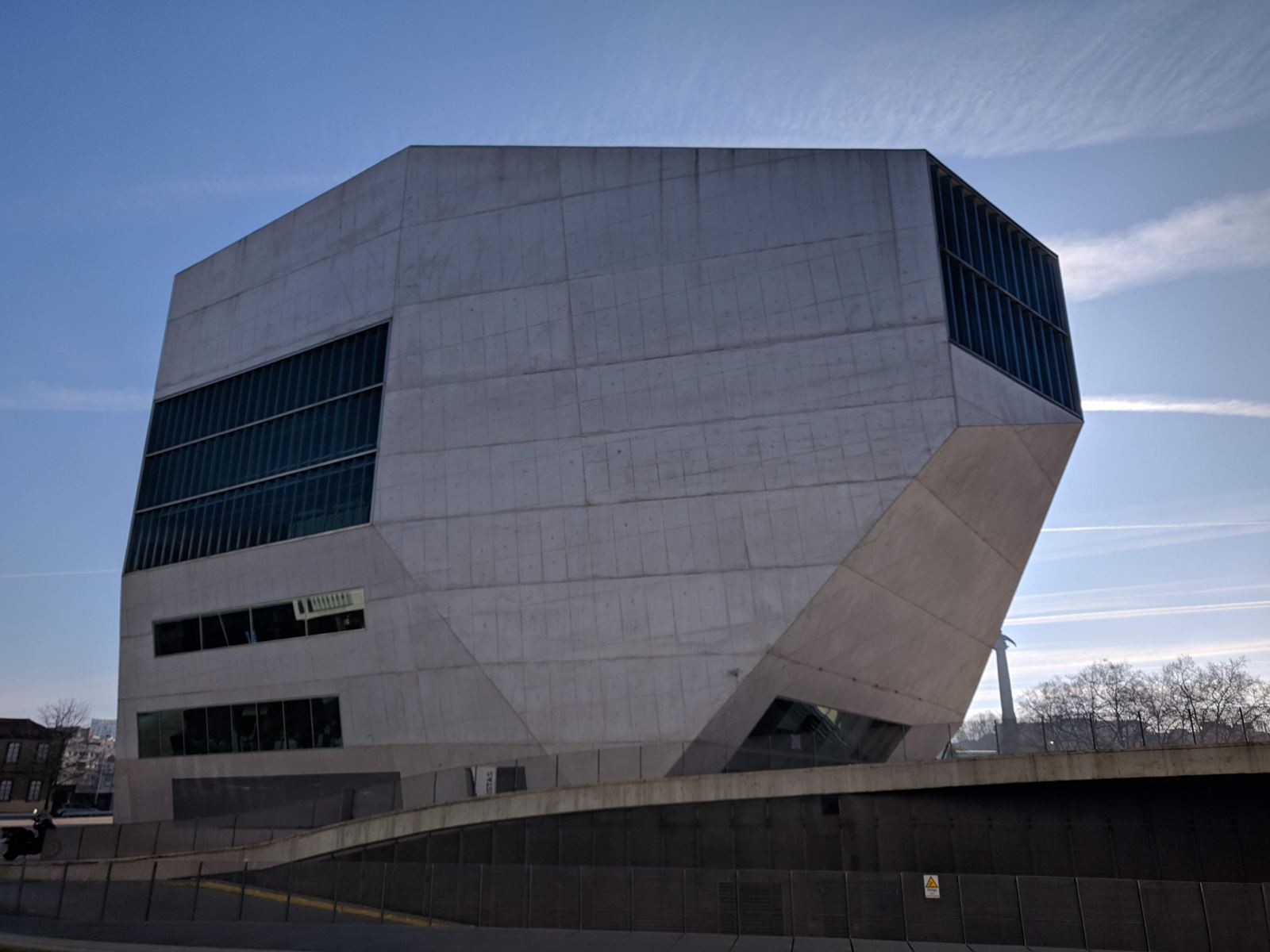
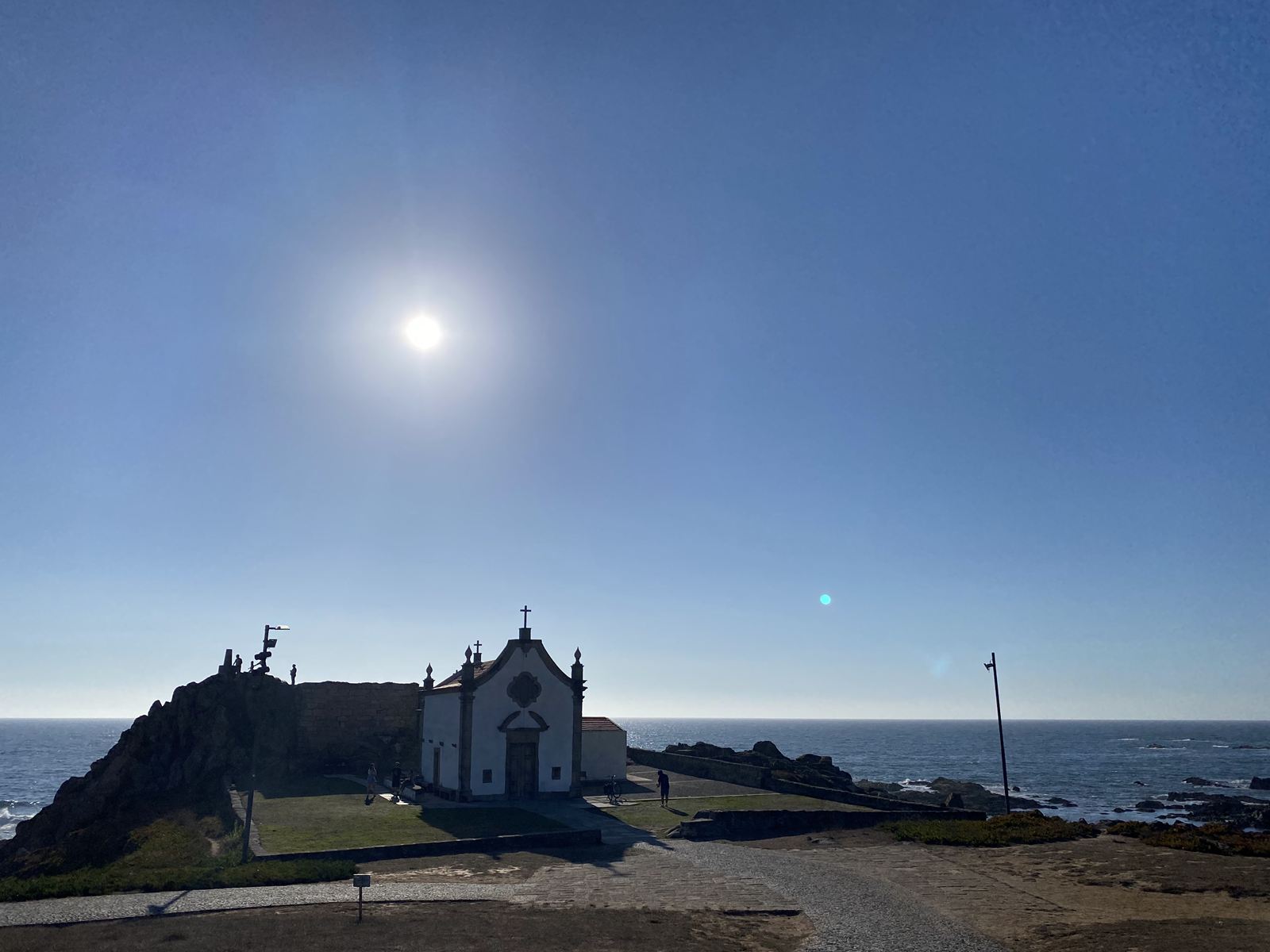
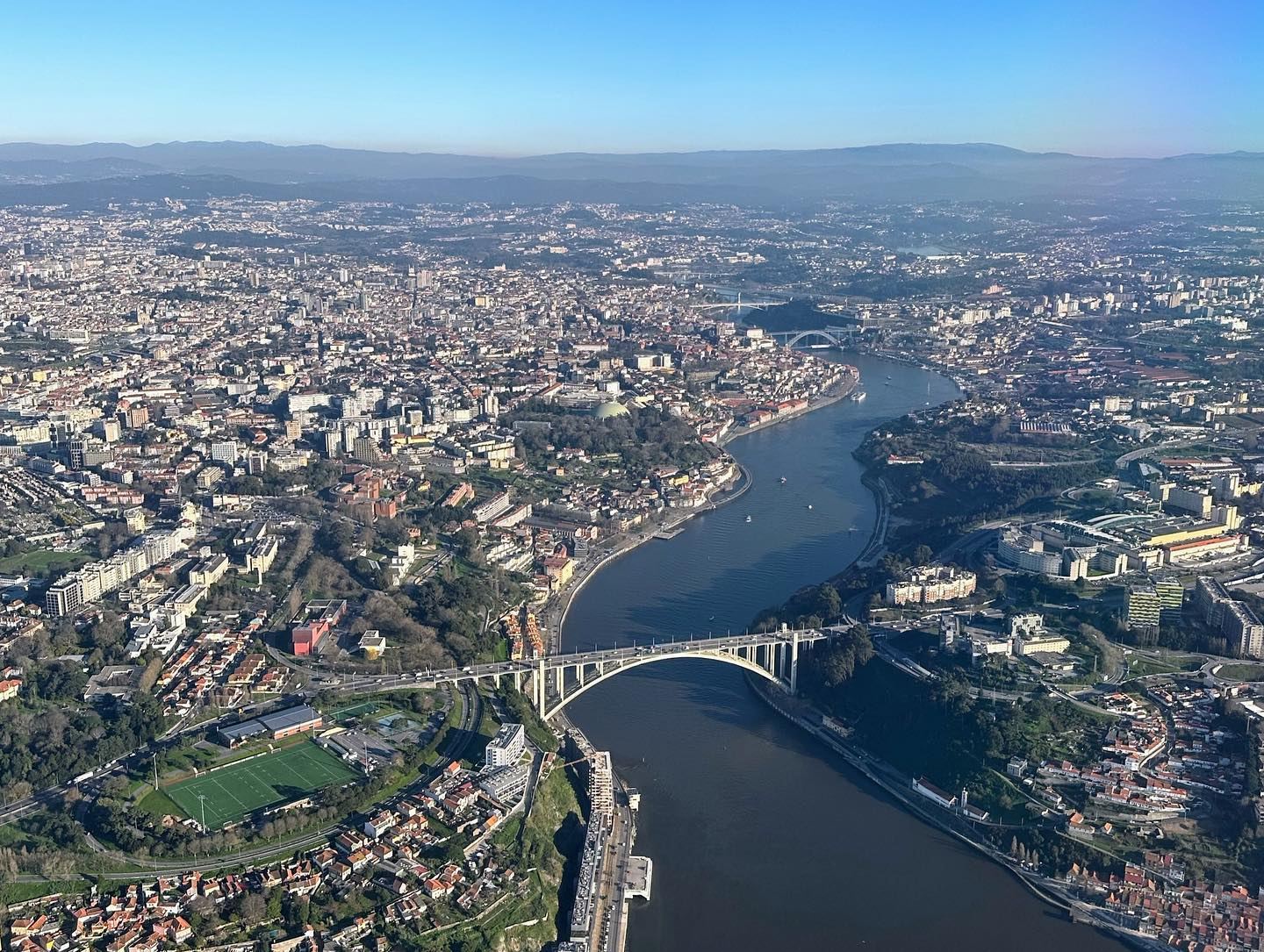
Granite, azulejos and the river. The Ribeira and the Luís I bridge are the postcard, and the view from the Gaia bank, where the port lodges are, is the better one. Walk the upper deck of the bridge at sunset, take the number 1 tram along the river to Foz for the Atlantic, and the 18 through the old centre. Porto’s airport is the main one for the whole region.

The Douro valley

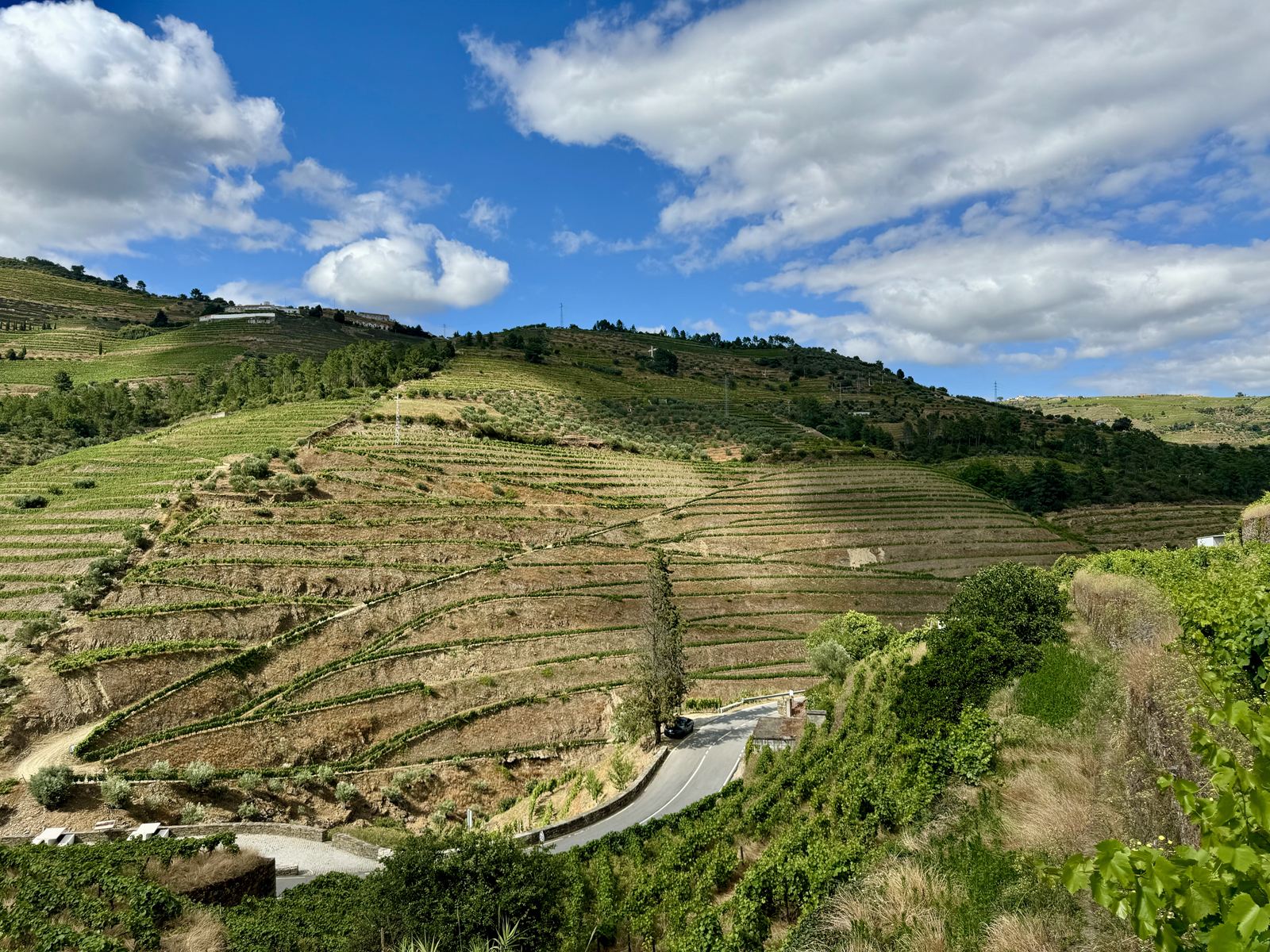
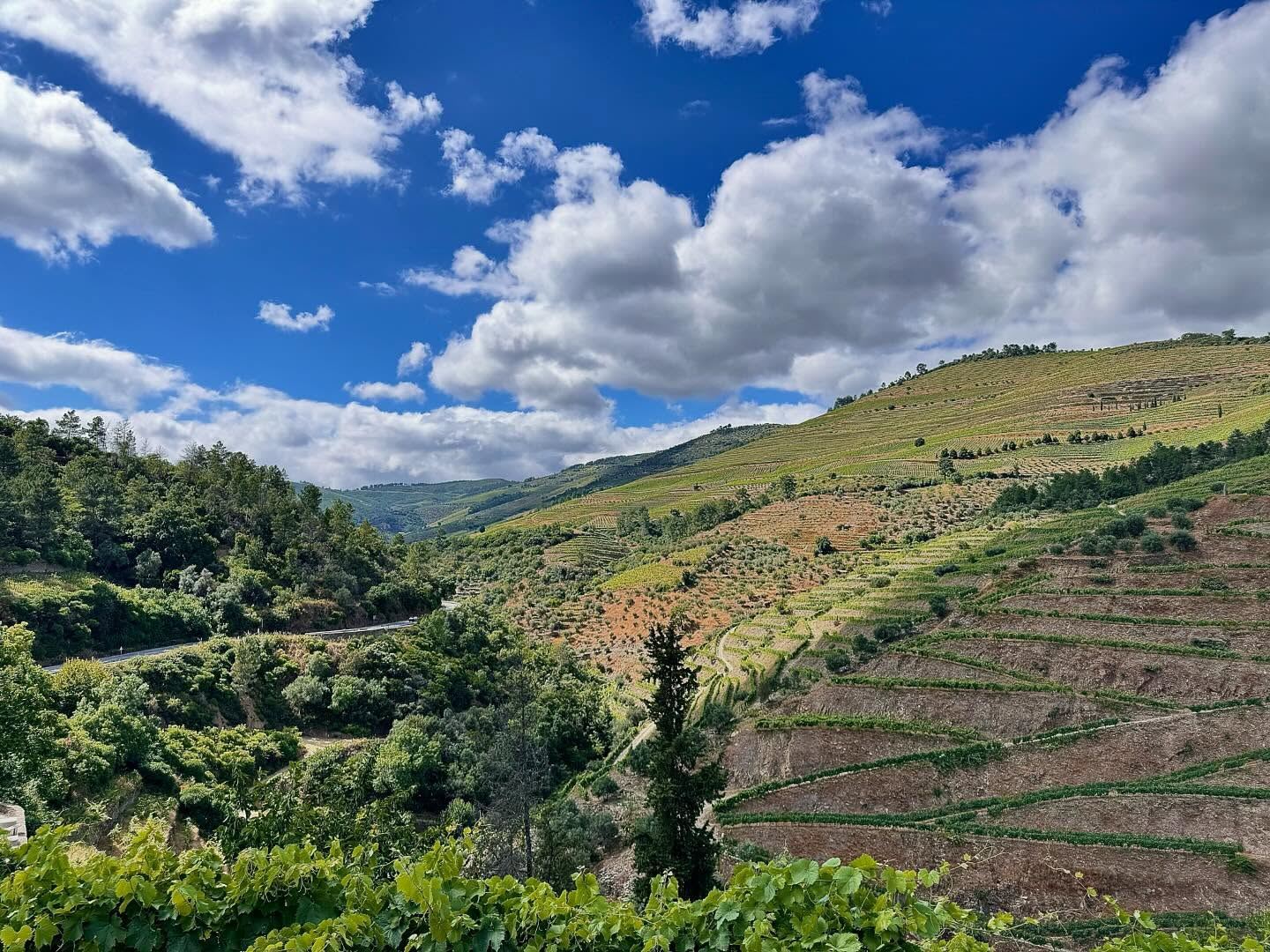
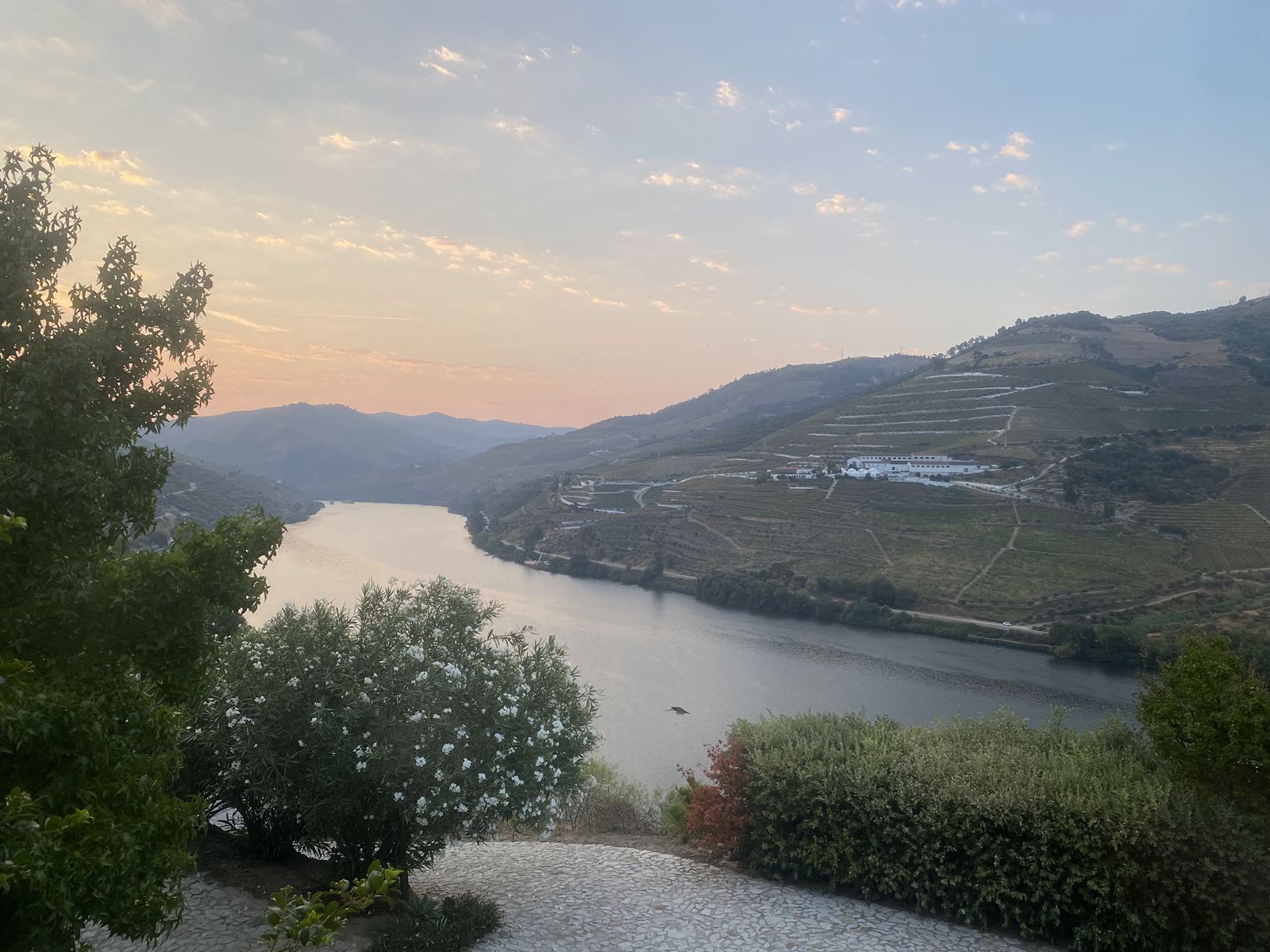
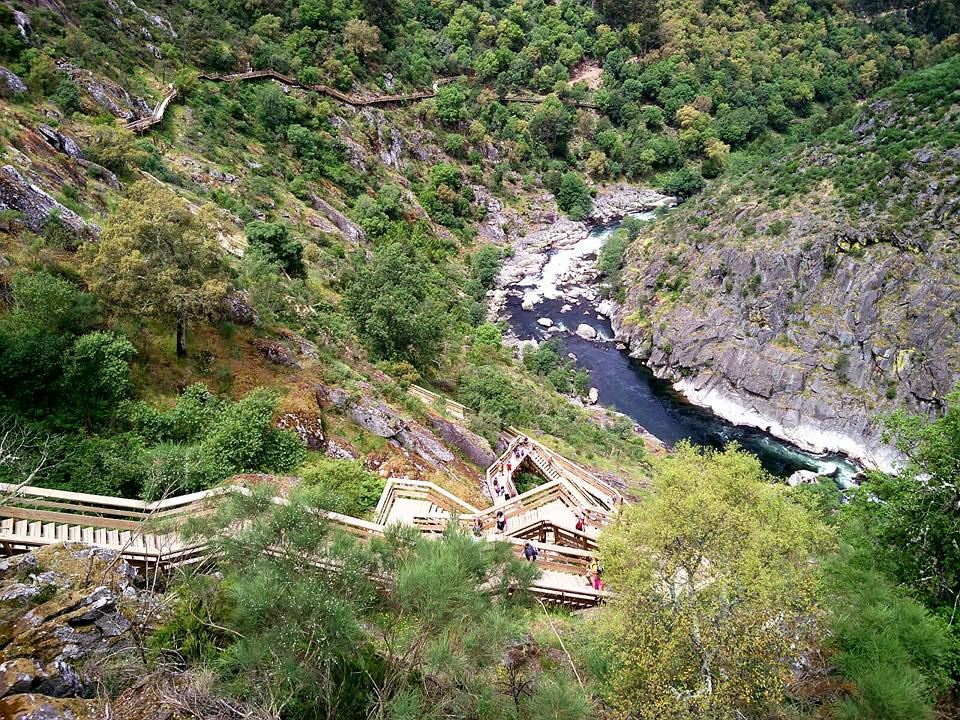
Port comes from the terraced valley a little over an hour east of Porto. The N-222 along the river from Peso da Régua to Pinhão has been called the best driving road in the world, and the quintas along it open for tastings. On the way, the Paiva Walkways in Arouca follow a river gorge for eight kilometres of wooden boardwalk.

Further afield

Ourense and the Ribeira Sacra

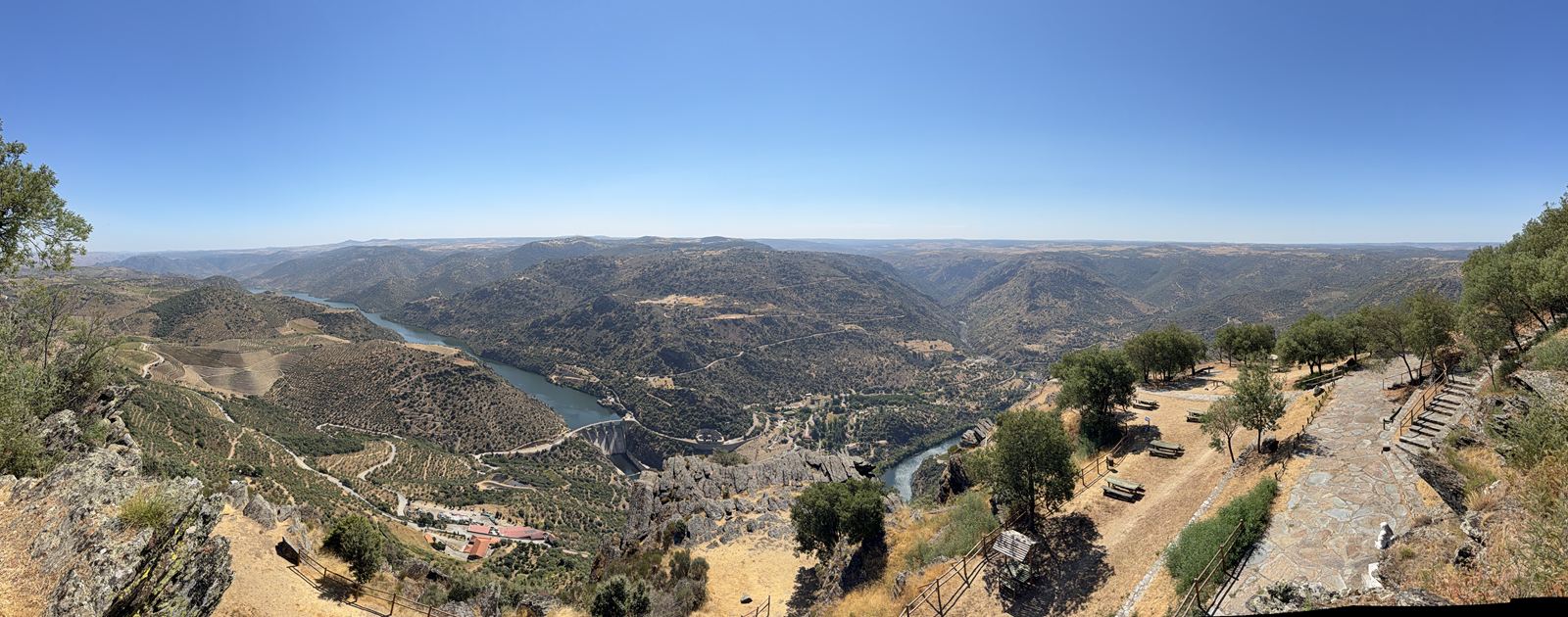
Ourense has public hot springs along the river. Upstream, the Sil runs through a deep canyon lined with steep vineyards and Romanesque monasteries, the Ribeira Sacra, best seen from the catamaran.

The Costa da Morte

North of the Rías Baixas the coast turns wild: lighthouses, shipwreck stories, the goose barnacles picked off its rocks, and Fisterra, which the Romans took for the end of the world.

Chaves and Vidago

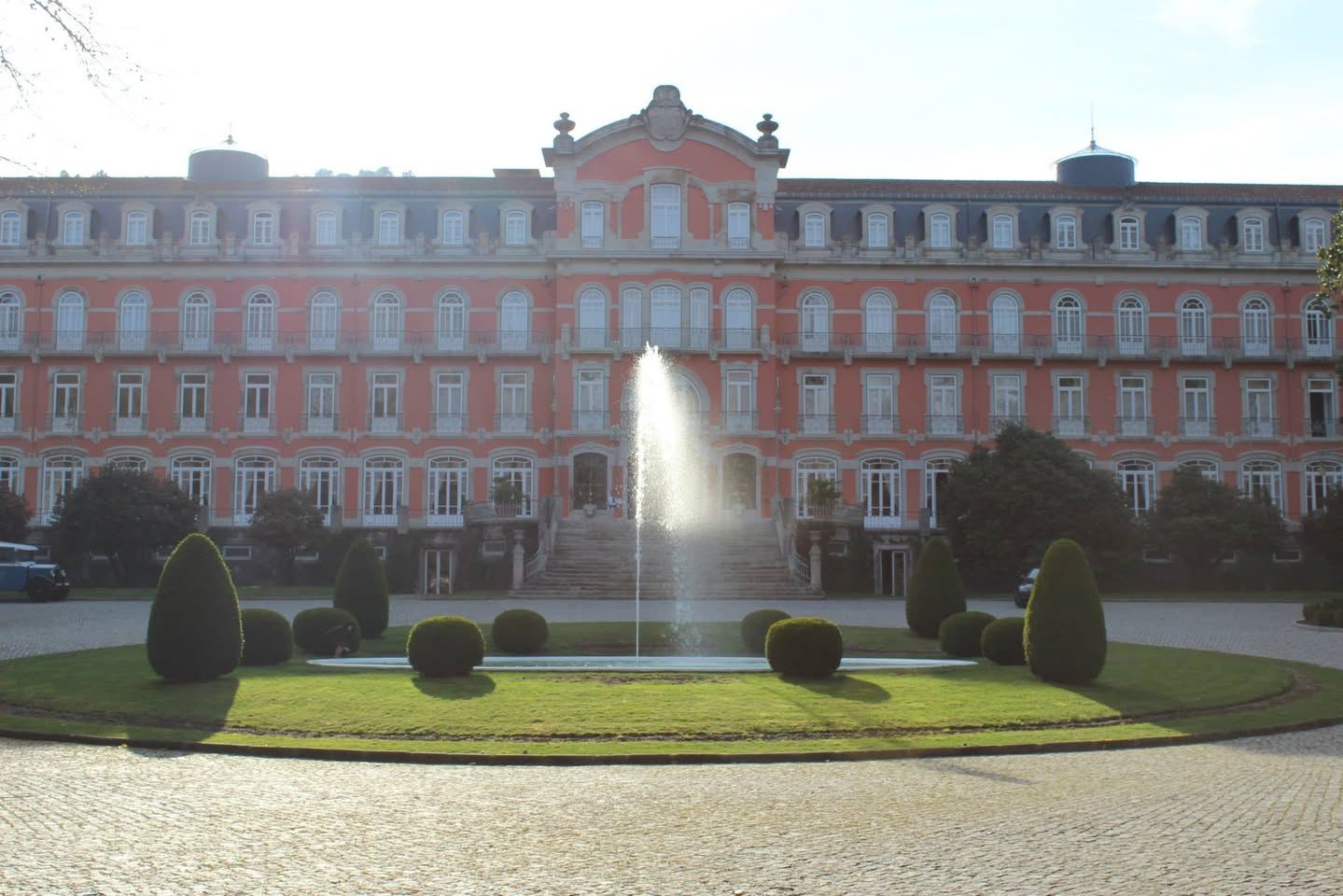
Across the hills in Trás-os-Montes, Trajan’s bridge at Chaves and the Vidago Palace, a spa hotel from 1910.

Asturias and Cantabria

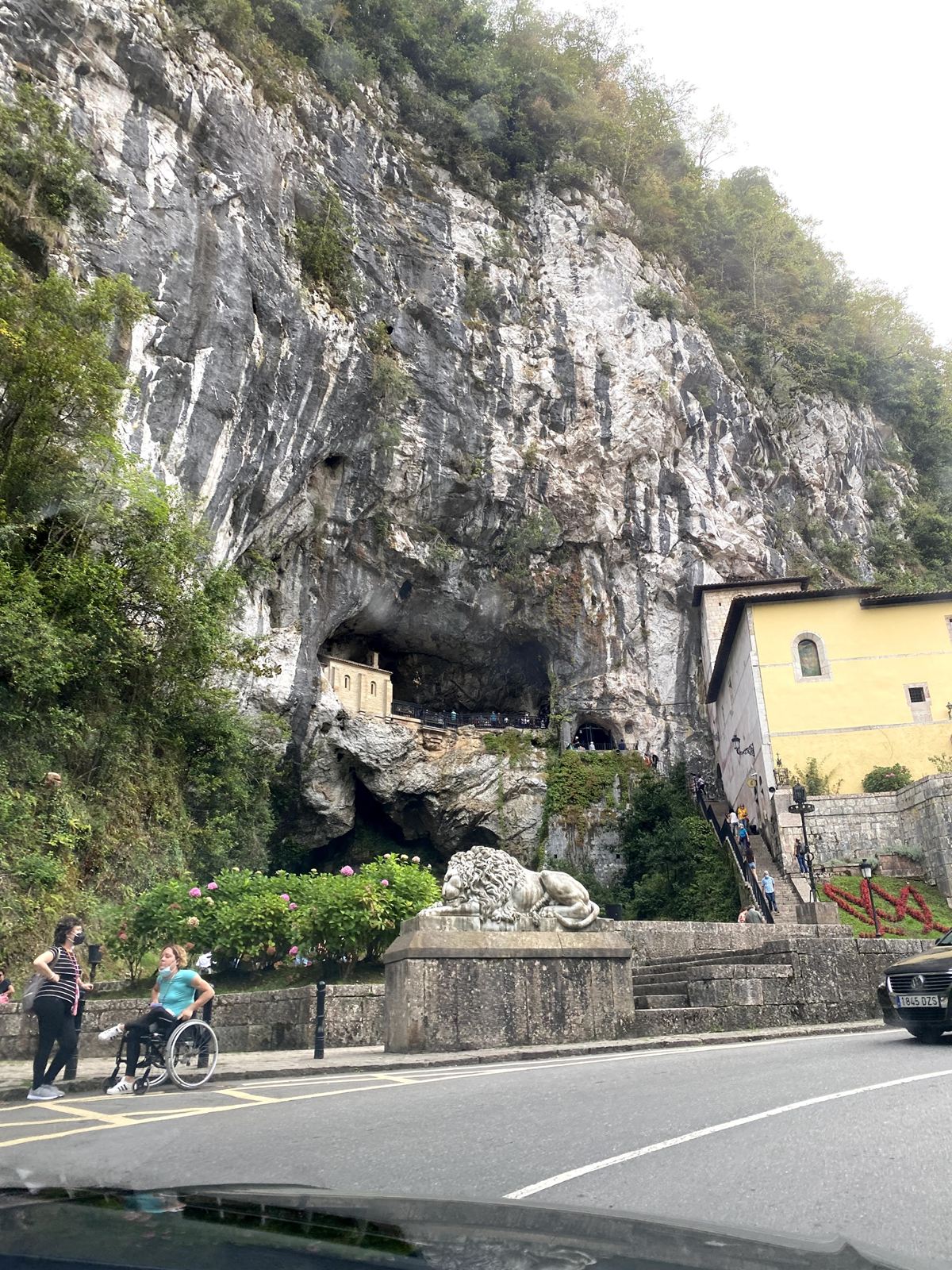
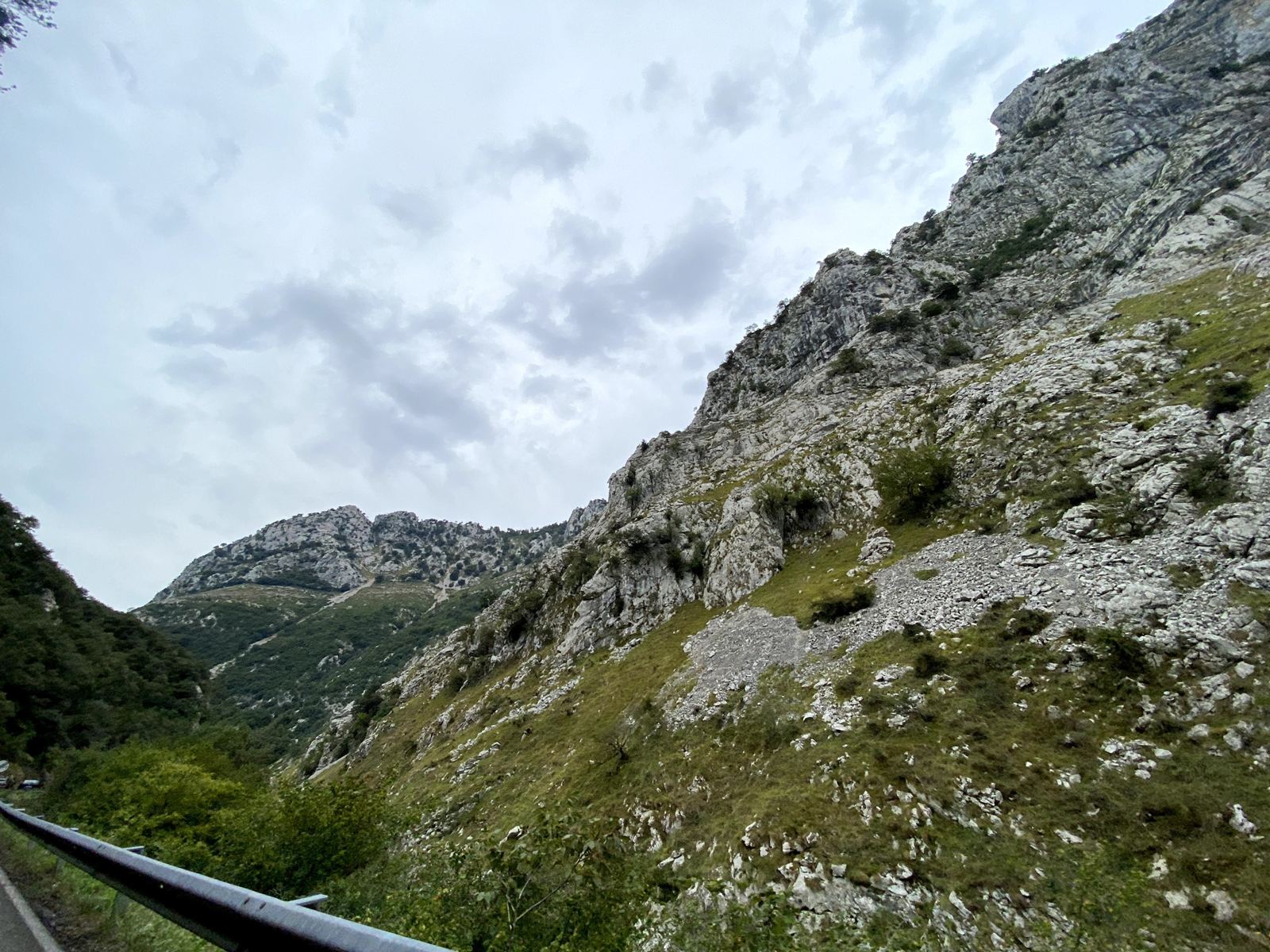
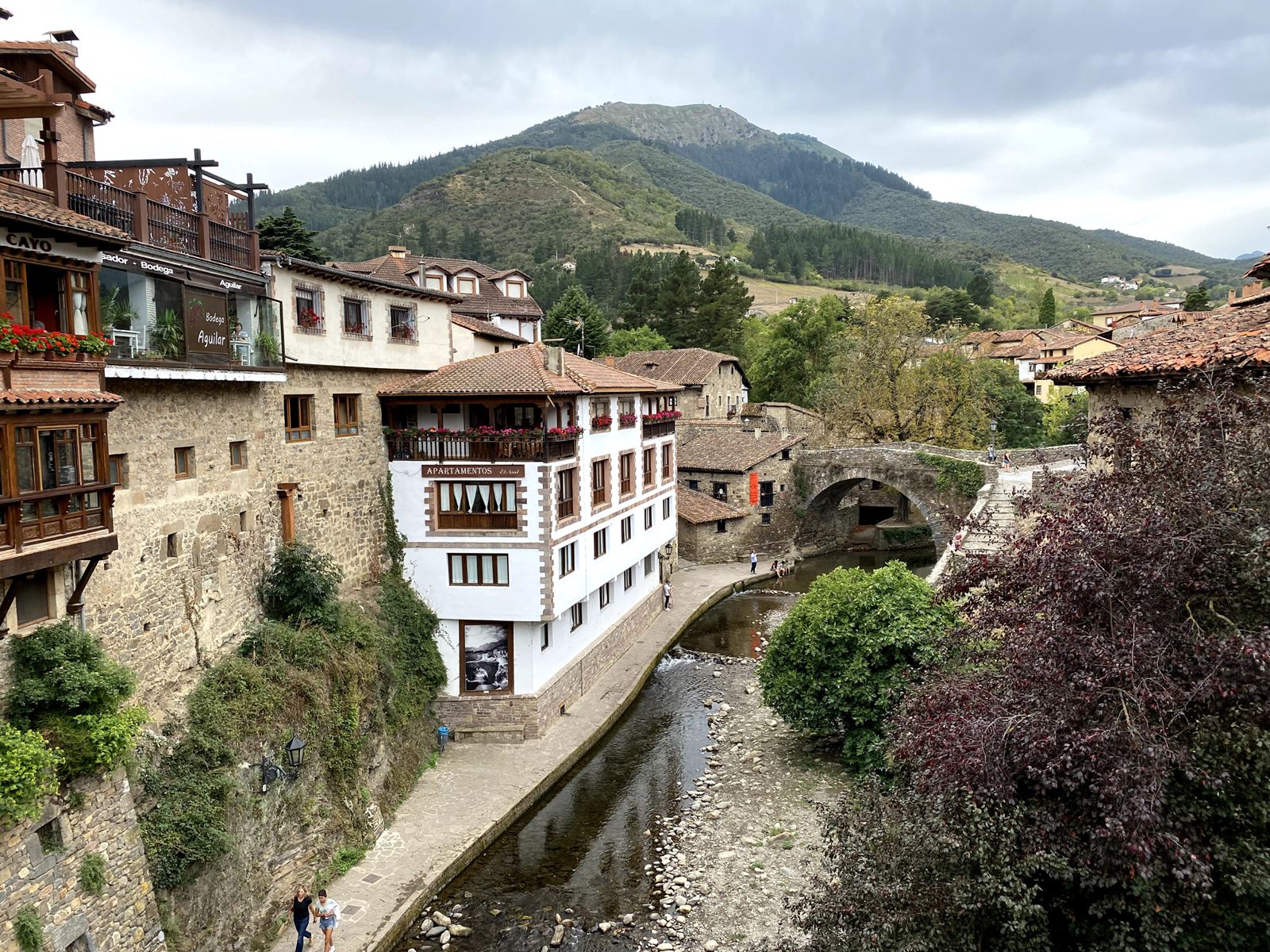
East along the north coast: Covadonga, where the Asturian kingdom began, the limestone peaks of the Picos de Europa and the stone town of Potes.

If there is time for only ten things

Ten things worth doing

  1. Take the first boat to the Cíes and walk to the lighthouse.
  2. Eat oysters standing up in Vigo’s old town.
  3. Climb Monte Santa Trega for the view over the mouth of the Minho.
  4. Walk the 1886 bridge from Tui to Valença and change time zone halfway.
  5. Drink Albariño in Cambados and Alvarinho in Melgaço, and pick a side.
  6. Walk the last stage of the Portuguese Way into Santiago.
  7. Take the catamaran through the Sil canyon in the Ribeira Sacra.
  8. Swim in a river pool in Peneda-Gerês.
  9. Cross the Luís I bridge on foot at sunset.
  10. Drive the N-222 along the Douro and stop at a quinta.

Food and wine

What to eat and drink

Pulpo á feira

Octopus boiled in copper pots, cut with scissors onto a wooden plate, with olive oil, coarse salt and paprika.

Shellfish

Oysters in Vigo, mussels from the rafts in the rías, razor clams, scallops, and percebes, goose barnacles from the rocks of the Costa da Morte.

From the bakery

Empanada, a flat pie of tuna, octopus or meat, and tarta de Santiago, almond cake with the cross of St James in sugar on top.

Pimientos de Padrón

Small green peppers fried in oil and salted. The saying goes that some are hot and some are not.

The wines

Albariño from the Rías Baixas and Alvarinho from Monção and Melgaço, vinho verde from the Minho, Ribeiro from near Ourense, Mencía reds from the Ribeira Sacra, and port and Douro reds to the south.

In Porto

The francesinha, a meat sandwich under melted cheese and beer sauce; tripas à moda do Porto, the dish that gave the locals their nickname, tripeiros; bacalhau in every form; and the port lodges in Gaia.

Festivals

The year on both banks

Practical notes

Good to know

Airports

Vigo has its own airport. Santiago has more routes, and Porto, an hour and a half away, is the big one, with flights across Europe and across the Atlantic.

Trains

Vigo to Santiago takes under an hour. The Celta train runs twice a day between Vigo and Porto in about two and a quarter hours; until spring 2027, works mean buses replace it between Vigo and Valença.

Two time zones

Galicia keeps Spanish time, an hour ahead of Portugal. Phones change on the bridge; meal times change too, with dinner around nine in Galicia and around eight in Portugal.

Tolls

Some Portuguese motorways, including the A28 along the coast, have electronic tolls only. Register the plate at the EASYToll point just after the Valença bridge, or fit a Via Verde device.

Weather

Atlantic: mild all year, rarely very hot, and wet from autumn to spring. Summers in the Rías Baixas are among the sunniest in Galicia. The sea stays cool, around 17 to 19°C in August.

Languages

Galician and Spanish are both official in Galicia, and Portuguese is spoken across the river. Galician sits between the two, so a few words of either go a long way.